

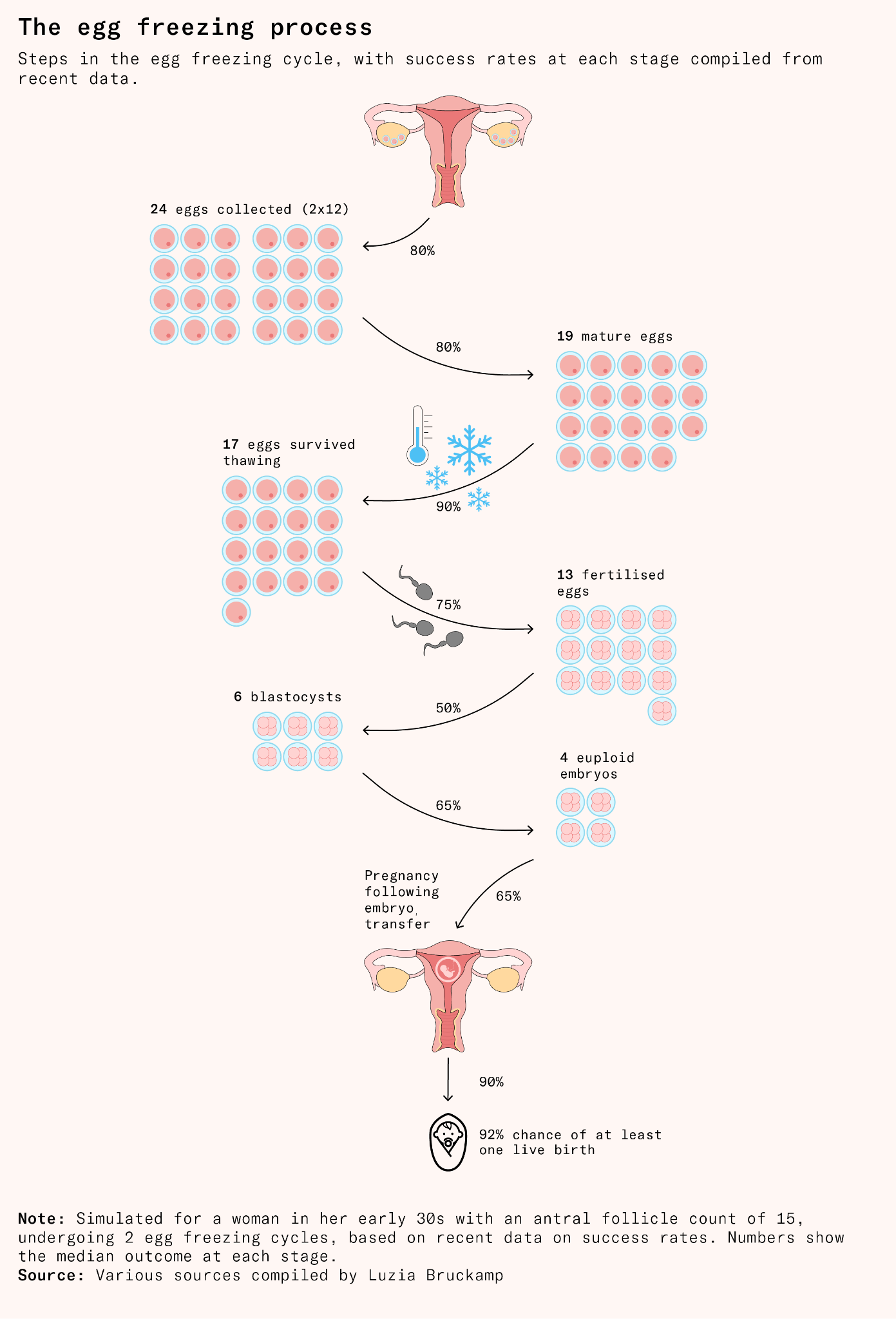
Our lead piece is about egg freezing, which, if performed early, can allow a woman in her forties to conceive with the fecundity she had in her twenties.

Print subscribers received the full edition earlier this month. Some articles were previously released online, and the rest of the issue is available on the website today. The issue contains pieces on:
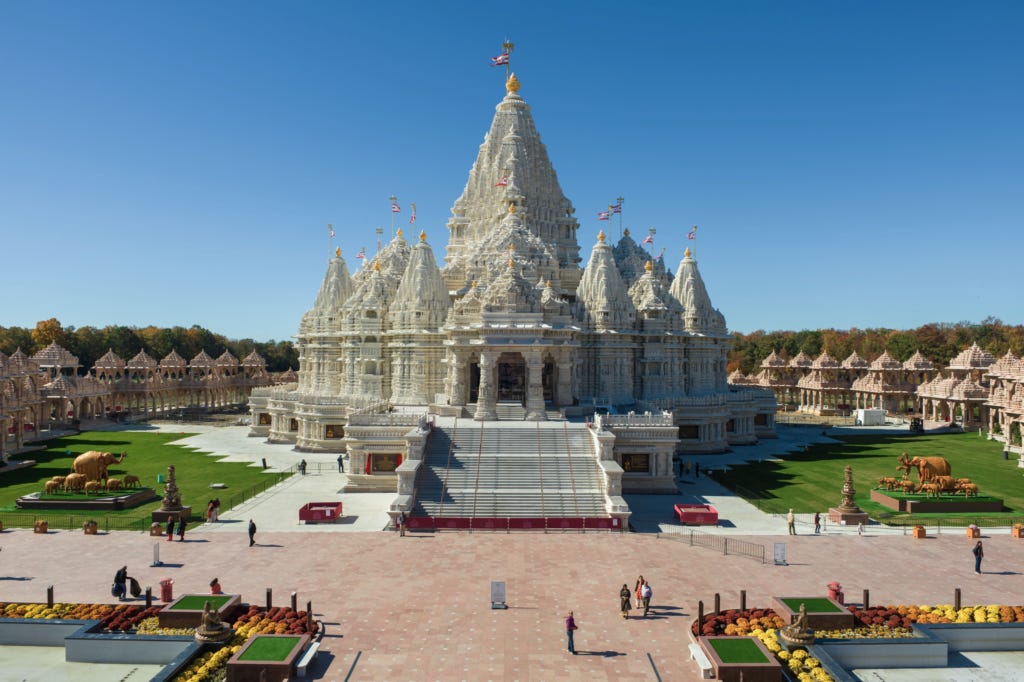
The world’s greatest living tradition of monumental masonry architecture;
Why self-driving cars will create a new tragedy of the commons.
Subscribe here to get a year of the print magazine for $100. New subscribers will receive Issue 23 immediately, plus a new issue every two months after that.
Public discussion of fertility is riddled with misconceptions. It is often claimed that the probability of conception declines slowly in a woman’s thirties and then drops off sharply; in fact it falls steadily with age. Readers of the New York Times or Vox have read that egg freezing barely works, but these facts come from a study of women who froze their eggs at an average age of 38, by which point their underlying fertility had fallen, which egg freezing cannot fix. When women in their twenties freeze their eggs, their success rates later on in life are closer to 85 percent. Ruxandra Teslo and Luzia Bruckamp explain why they chose to freeze their own eggs early, and why other young women should consider doing the same.
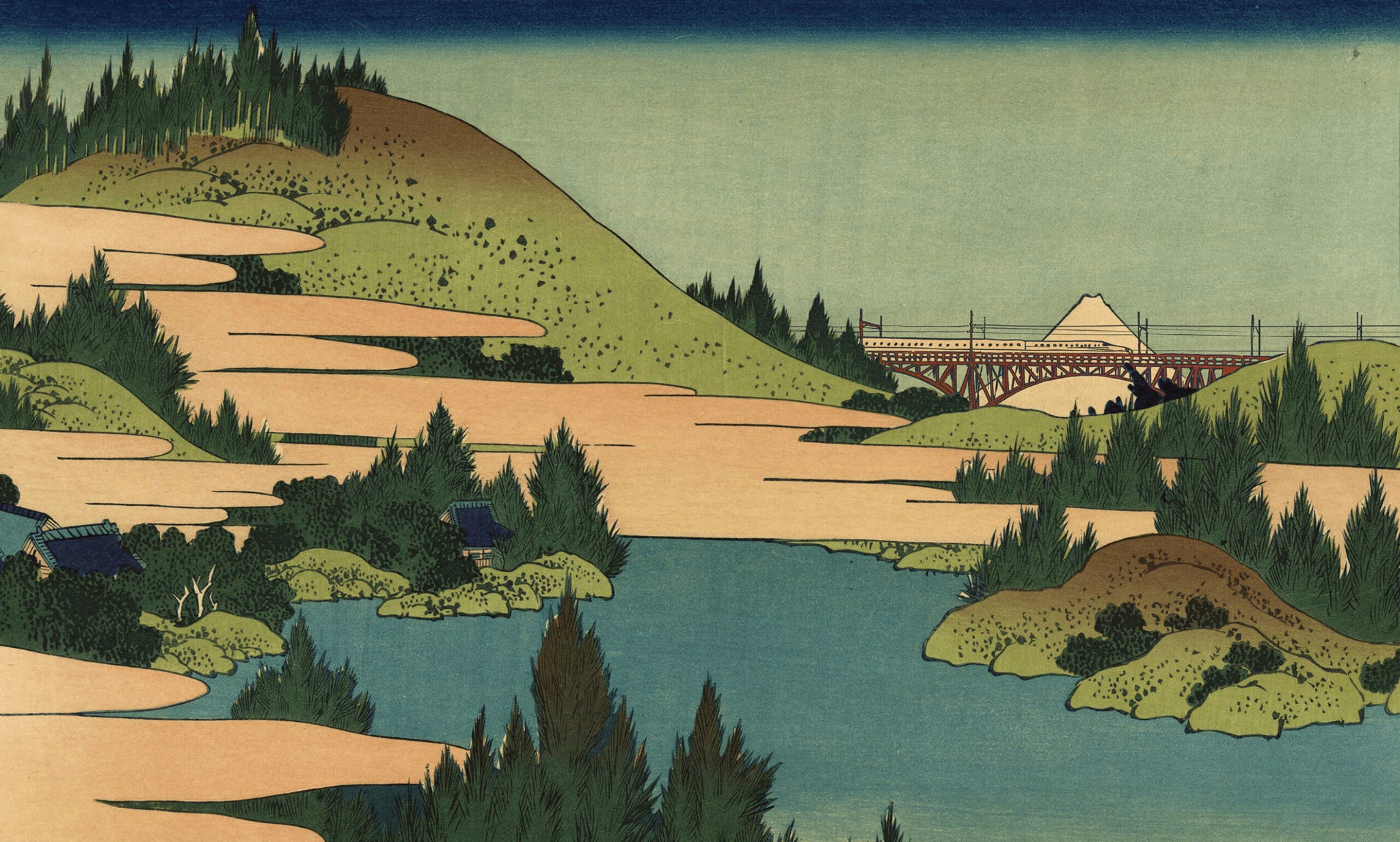
Japan is the land of the train. Twenty-eight percent of its passenger kilometres are travelled by rail, a higher share than in any other developed country. Its railways turn a substantial operating profit. The common explanation is Japanese culture. But Matthew Bornholt and Benedict Springbett argue the common explanation is wrong. Japan has amazing railways because of good policy, and almost every element of the Japanese system could be reproduced elsewhere: vertically integrated regional monopolies that build the cities around their own lines, liberal zoning, private ownership, and privatized parking. The rest of the world can have Japanese-tier railways if it chooses to.
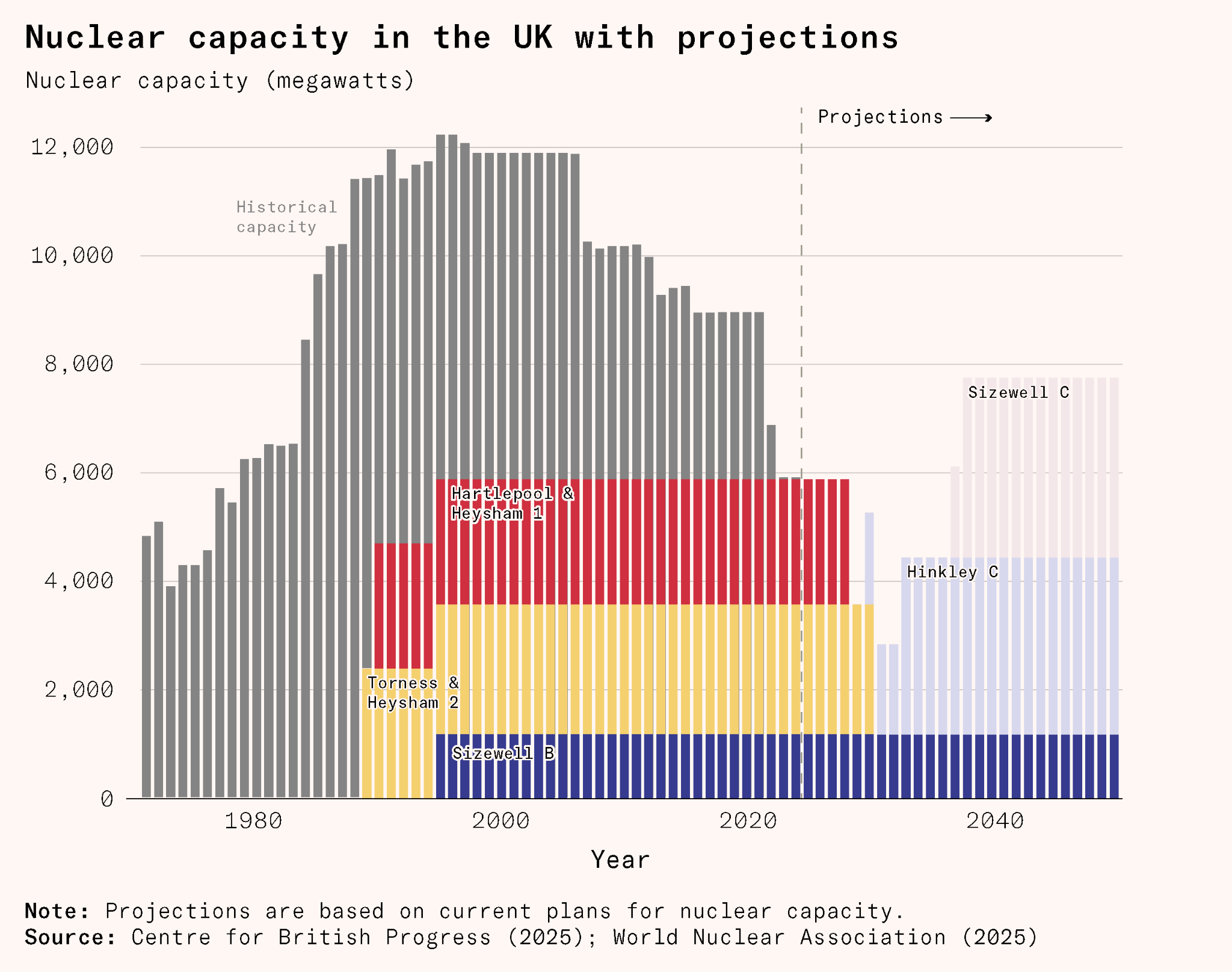
In 1965, Britain had built more nuclear power stations than the United States, the Soviet Union, and France combined. Today, processes that used to take months now take decades, and Hinkley Point C, currently under construction, will soon become the most expensive nuclear power station ever built anywhere in the world. Alex Chalmers argues that technocratic hubris is to blame. For decades, British technocrats dismissed public concerns about waste and efficiency, until eventually both popular support and regulatory presumption shifted decisively against them. If Britain would like to relearn nuclear, it will have to re-earn the public’s trust.
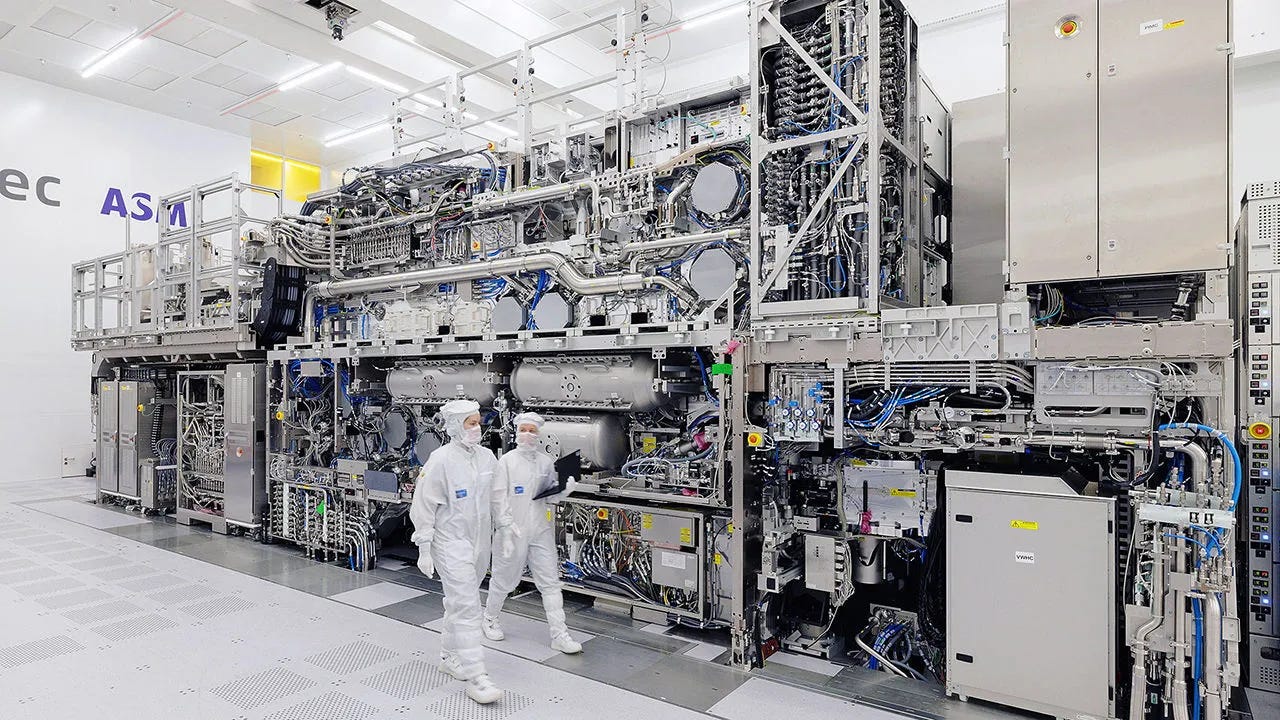
Advanced semiconductors are the most important technology in the world, and only one company makes the machines capable of producing them. ASML was never an obvious candidate for this role. In the 1980s it was a laggard, far behind the Japanese behemoths Nikon and Canon. One industry figure told its leadership that ‘the race has already been run’. To survive, Neil Hacker explains, ASML had to take a series of unlikely decisions. It worked closely with the American government, sold large stakes to foreign competitors, and staked billions on an unproven technology. It now has the most important monopoly in the world.
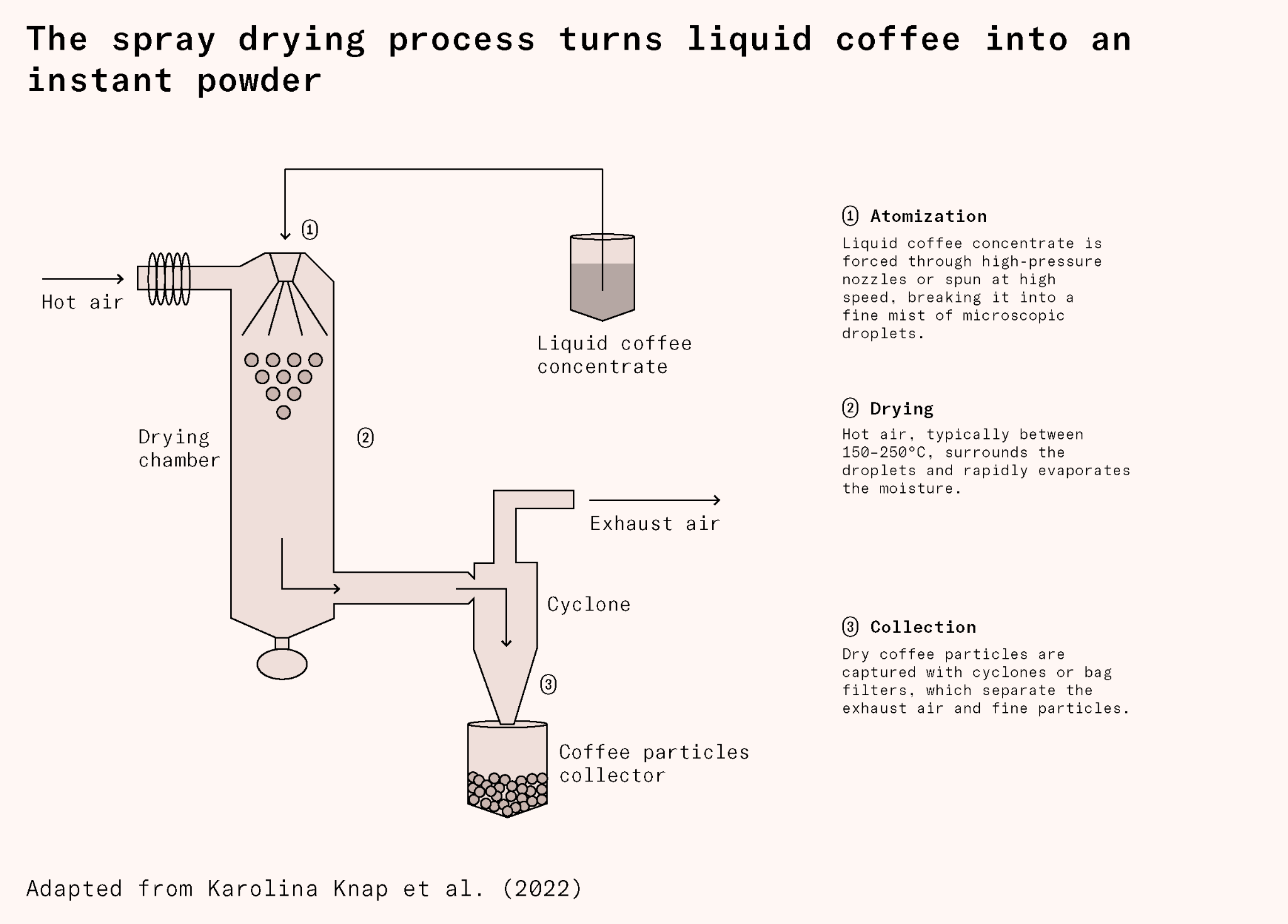
It’s extremely difficult to remove water from brewed coffee without destroying the flavours that make it worth drinking. Creating instant coffee was an odyssey that took centuries, Oscar Sykes and Benjamin Stubbing explain. Almost every early attempt was rancid. John Dring’s 1771 ‘coffee cakes’ of butter and tallow spoiled quickly, while the concentrates of the American Civil War tasted like ‘axle grease’. But the effort was eventually rewarded. In 1937, Max Morgenthaler, a Swiss chemist, developed the technique of spray drying, which, along with later innovations in freeze-drying and flash-freezing, is responsible for the delicious instant coffee we drink today.
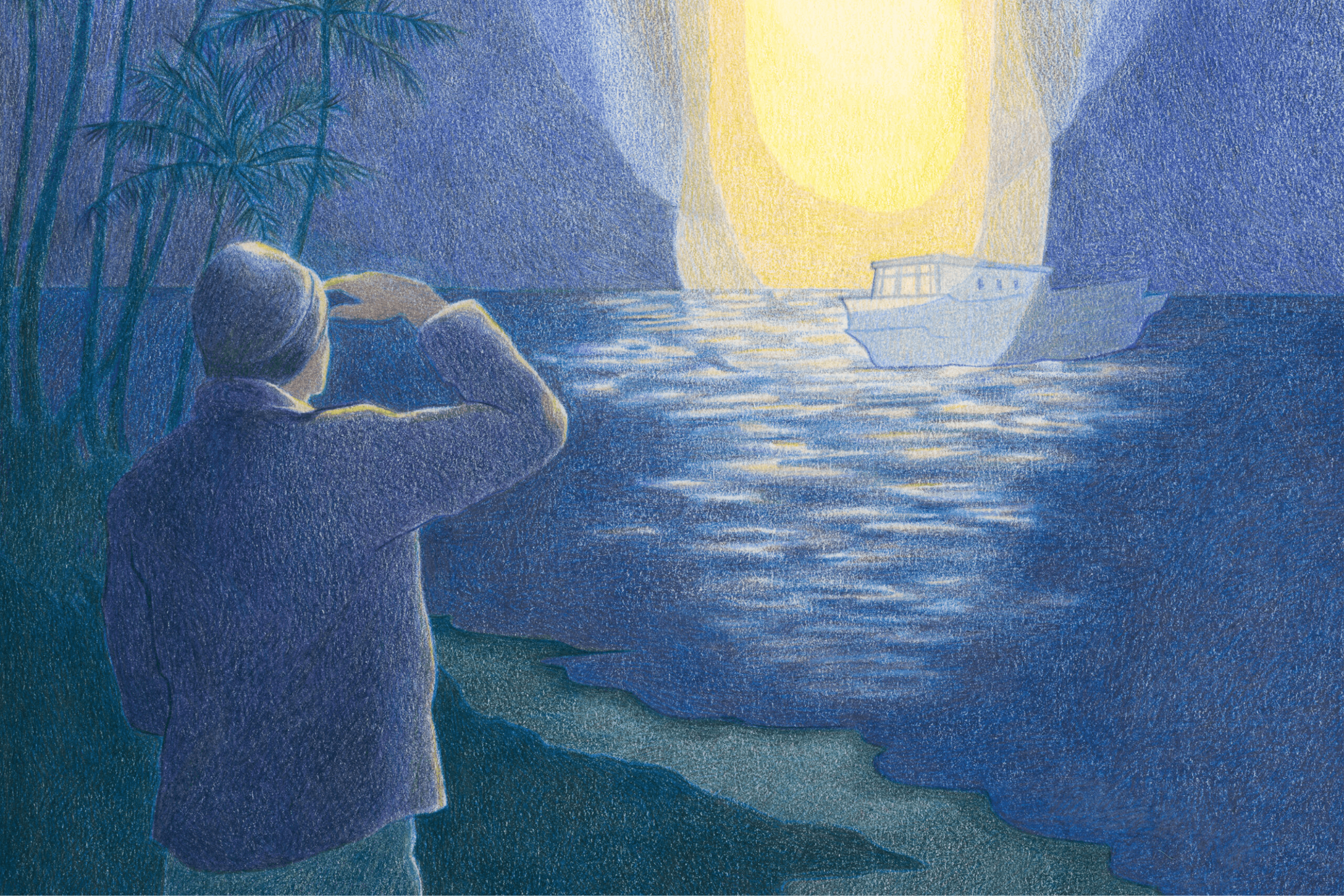
The conventional wisdom in European capitals is that offshore processing is the remedy for the Mediterranean crossings, and that this is the lesson of the Australian experience. Amelia Wood analyses the data and comes up with a different view. Arrivals in Australia rose rather than fell after offshore processing was reintroduced in 2012, and continued rising for some time. The boats were eventually stopped by interception at sea and returned to Indonesia. Since 2014, Australia halted new offshore processing altogether, even as arrivals have stayed at zero.
In the twentieth century, religious architecture around the world was reshaped by modernism. Hinduism is a striking exception, Tilak Parekh shows. Today’s monumental Hindu temples are governed by ancient canons, built from load-bearing stone, carved in India by artisans, and assembled by thousands of volunteers. As Hindu communities have grown more prosperous, their adherence to traditional forms has tightened rather than loosened. This photo-essay highlights some of the most beautiful and ambitious architecture being built in the world today.
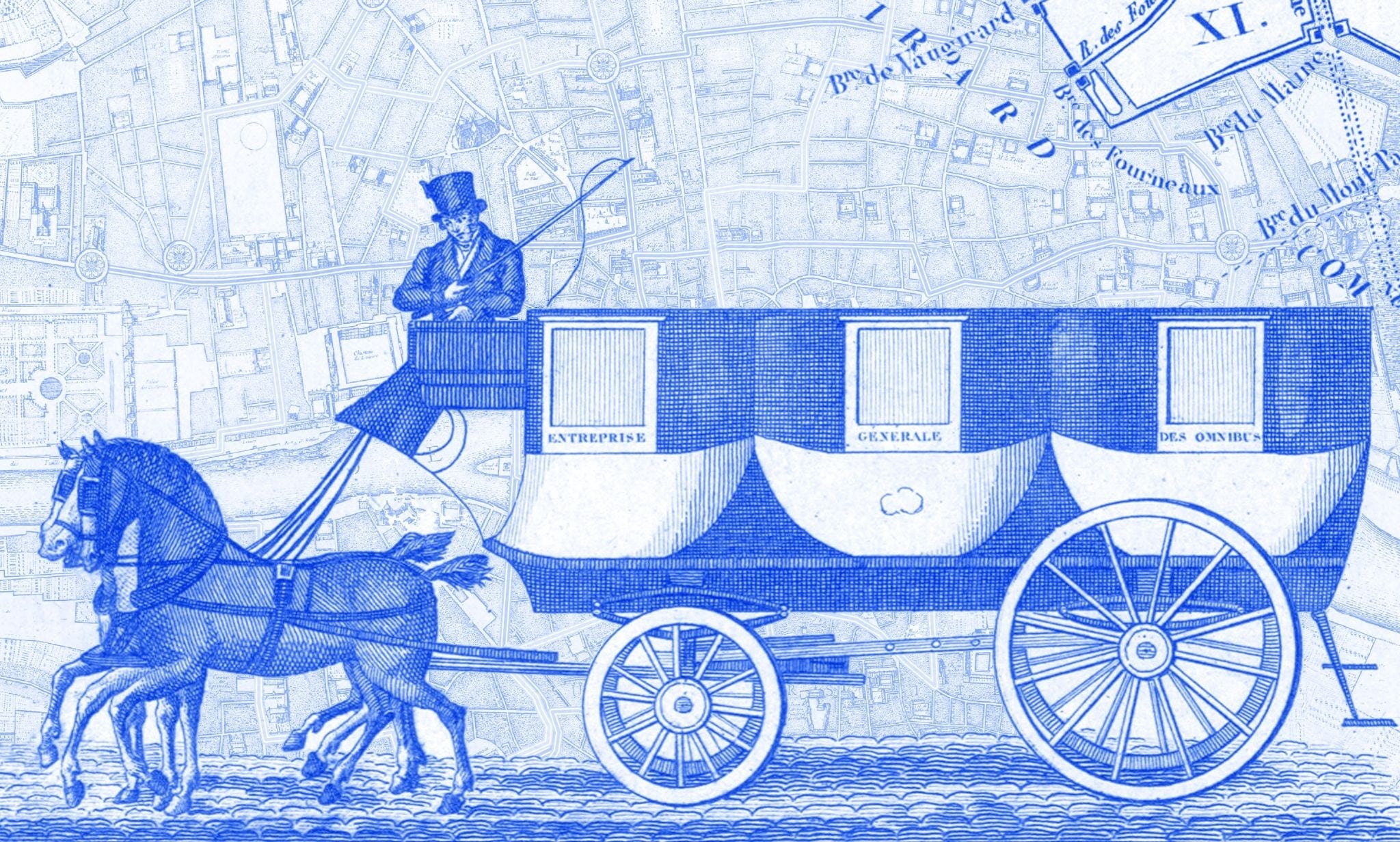
Buses do not seem like the sort of thing that needed to be invented. Yet they were, explains Samuel Hughes. Wheeled vehicles existed for millennia before it occurred to anyone to run large carriages on fixed intracity routes, at fixed fares, with fixed stops. Blaise Pascal, of Pascal’s wager, invented the bus in 1662, but it was promptly killed by Parisian regulation. The idea was forgotten for a hundred and fifty years, until a bathhouse owner in Nantes stumbled upon it more or less by accident. Sometimes, the best innovations are not physical technologies, but business models.
The centrifugal water pump created a tragedy of the commons by which American farmers have been emptying the giant Ogallala Aquifer, after centuries of sustainable use. Self-driving cars are about to do something comparable to urban roads, argues Ben Southwood. Once time spent in traffic can be used to work, to sleep, or to drink a beer with friends while your car drives itself, traffic jams will become less painful, ruining the roads for people who need to get somewhere quickly. For now, pricing autonomous vehicles’ road use is politically achievable, but it won’t be for long. The window is closing fast.
Notes on Progress
We released three Notes on Progress.
What’s new in biology: Spring 2026, by Niko McCarty and Saloni Dattani
Microbubbles, by Ambika Grover, which explains how scientists are developing crazy new delivery mechanisms to get drugs where we need them to go.
And Saarthak Gupta reviewed Joe Studwell’s new book How Africa Works.
The Works in Progress podcast
The Works in Progress podcast inspired controversy, and not just about Ben’s clothes.
Samuel, Ben and Aria debunked some of the too-clever explanations for why buildings seem to everyone to have gotten so much uglier. This, plus some tweets from Sam, set off a wave of debate around the internet about whether UK YIMBYs were really NIMBYs in disguise.
Saloni and Jacob podcasted about whether everyone should be taking statins.
Saloni and Ben discussed speeding up clinical trials with Ruxandra Teslo and how we can learn from animals to live longer with Aria.
Pieter, Ben and Aria discussed the articles of Issue 23 of Works in Progress.
Pieter, Sam, and Aria argued about why Europe has stagnated.
Works in Progress, Out Loud
Lots of people prefer to listen to articles than to read them, or like sometimes to read articles, when their eyes are tired or they are washing up or walking to work. We are working on recording all of our articles professionally, to serve this large audience. So far, we have released five articles Out Loud:
Two is already too many, by Phoebe Arslanagic-Little
How to redraw a city, by Anya Martin
Sunscreen for the planet, by Dakota Gruener and Daniele Visioni
The algorithm will see you now, by Deena Mousa
Inflatable space stations, by Angadh Nanjangud
The death rays that guard life, by Gavriel Kleinwaks
And How to spot a monopoly, by Brian Albrecht
Invisible College
Invisible College, our week-long residential seminar in Jesus College, Cambridge, is back! If you will be 18–22 during August 2026, then you should apply to come. Alumni from previous years have won Thiel Fellowships, raised $180 million in Series A funding for their AI startups, and got jobs for Works in Progress, the Centre for British Progress, and other friendly organizations. Attendees often tell us it was one of the most important weeks of their lives and that it substantially altered their life plans.
Hiring
We’re looking for our first Social Media Lead to help grow WIP’s audience. Apply here.
What we’ve been up to
Sam returned from paternity leave and has been reading a lot of books as a judge for the Orwell Prize. He spoke at Cambridge University’s Bennett School about why Britain’s economic growth hopes lie in fixing the foundations – housing, infrastructure and energy – and wrote for the Washington Post arguing that the downsides of blanket social media bans for teens mean that giving parents greater controls is a better option.
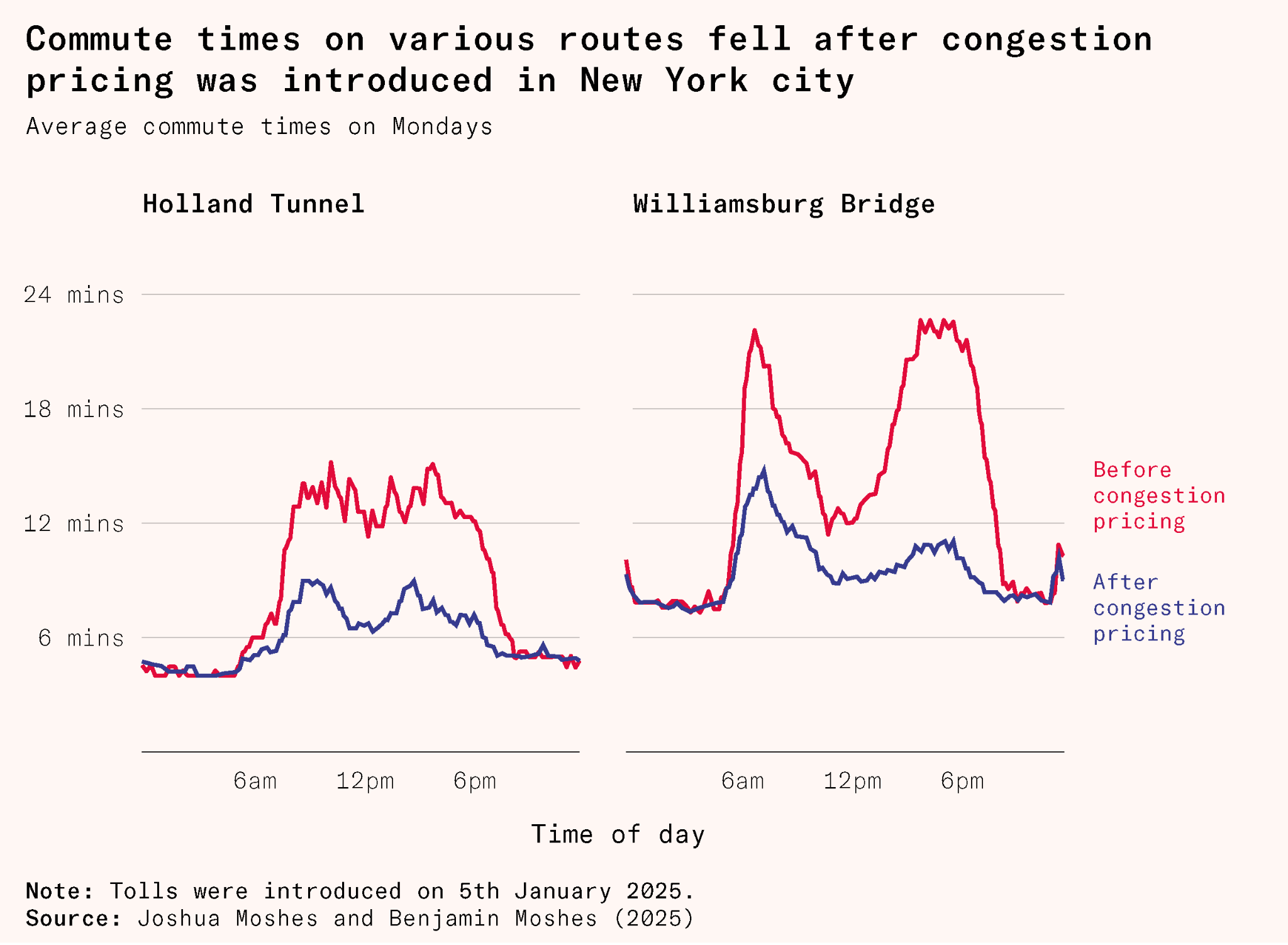
Ben lectured WIP’s Parisian subscribers on what Britain admires about France and WIP’s New Yorker subscribers on why we need a surge tax on autonomous vehicles. His tweet about UK housing centralization drew a response article from Matt Yglesias. He also wrote effort-tweets on British electricity pricing, declining British political legitimacy, and the dangers of implicit taxation.
Saloni gave a TED talk at the main conference in Vancouver! It will be released in the coming months. She’s also been writing about the history of clinical trial reforms and the case for sharing individual data from clinical trials for other researchers to learn from.
Pieter met Works in Progress subscribers in Washington, New York, and Dublin, gave a talk about metascience in Brussels, and spent a lot of time thinking about the Comanche.
Aria went viral for writing about sexiness and is currently in Berkley, volunteering as a writing adviser for Inkhaven. She hosted a dinner for some of our Bay Area subscribers yesterday evening.
Samuel has been in Dublin, Paris and Washington DC, talking about housing and meeting subscribers. He is writing about whether ugly architecture generates opposition to development.
Atalanta returned from a three-week art residency at Xenia creative, a great example of contemporary arts patronage. Her favorite recent book is Peter Godwin’s memoir Exit Wounds.
Will has been to Dublin for the Issue 23 launch, read Sebastian Mallaby’s biography of Demis Hassabis, and has spent a lot of time, and a few too many tokens, coding tools for the WIP team
Ryan has been working on an updated version of the WIP website and a new Substack for Stripe Press. In his free time, he saw a repertory screening of Romeo and Juliet (1996), vibe coded a few fun mini apps, and started reading London Falling by Patrick Radden Keefe.
Magnus fulfilled his dream of seeing Akira on the big screen at the Imax and went to Iceland to see friends and family enjoying the last bit of snow before the summer.
Ellen has been to Dublin to meet Works in Progress subscribers, and at home in London enjoyed bluebells, long walks, and a play about antimicrobial resistance.
Thanks for reading!