

Our lead piece is about the Glorious Revolution, and how it untangled the property rights that held back economic growth across Britain.
Print subscribers received the full edition in the first two weeks of June. Most articles in the issue have previously been released online; the remainder of the issue is available on the website today. The issue contains pieces on:
Why we only discovered plate tectonics around the time we went to the moon;
How Europe eliminated fox rabies by dropping vaccines from helicopters;
You can get a year of the print magazine for $100 here. New subscribers will receive Issue 24 immediately, plus a new issue every two months after that.
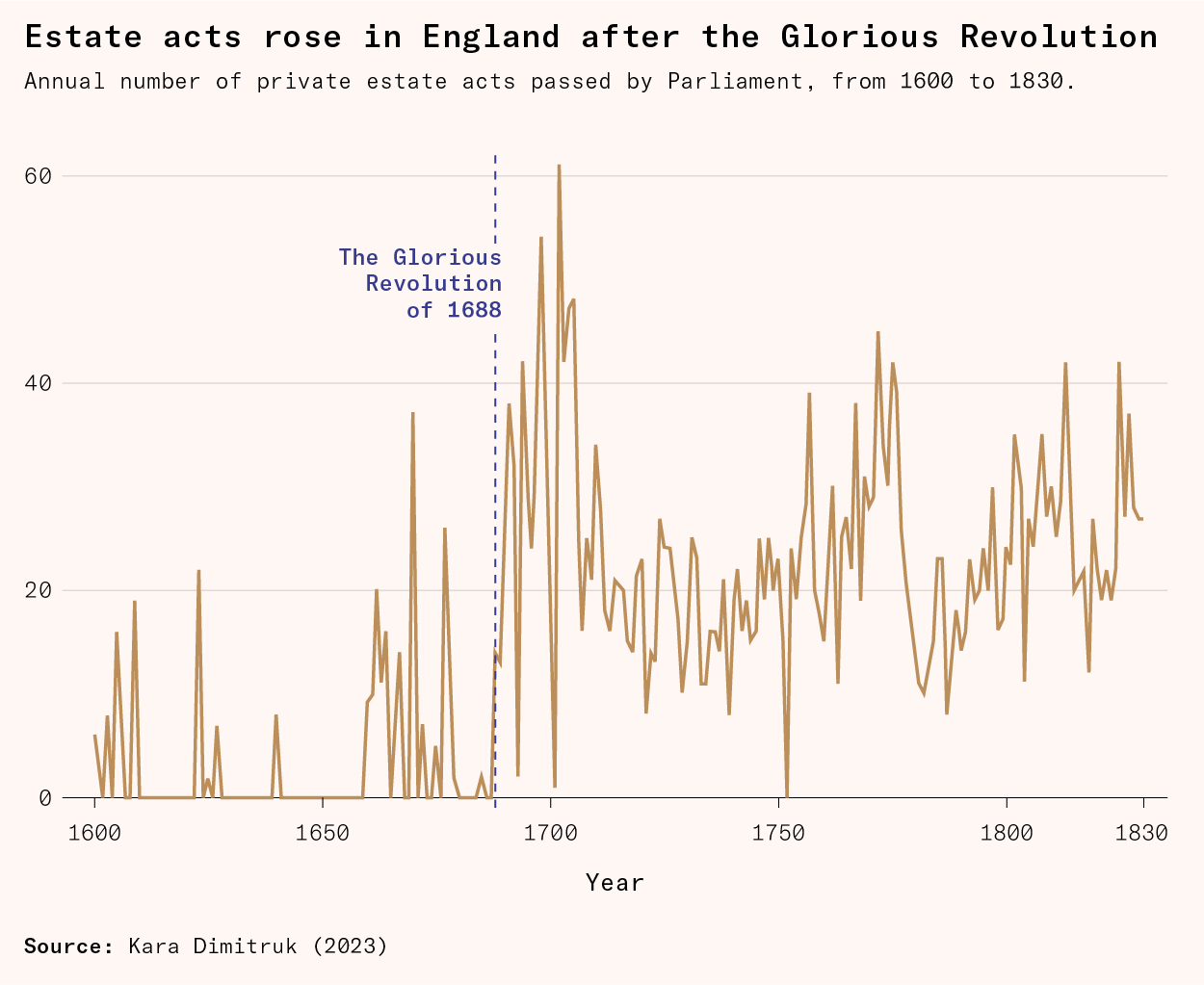
Many people know that the Glorious Revolution was central to Britain’s economic divergence from the rest of Europe. The common story holds that the revolution did this by restraining what the government could do. Ben Southwood and Kara Dimitruk argue the opposite: by creating a form of government controlled by landowners, the British state became far more interventionist, capable of overriding encrusted property rights that prevented farmers from investing in their land, travelers from paying for their roads, and landowners from digging canals and building houses. Like in eighteenth-century Britain, maximizing economic growth today may depend on building a pro-change coalition among rightsholders, rather than on trying to override them.
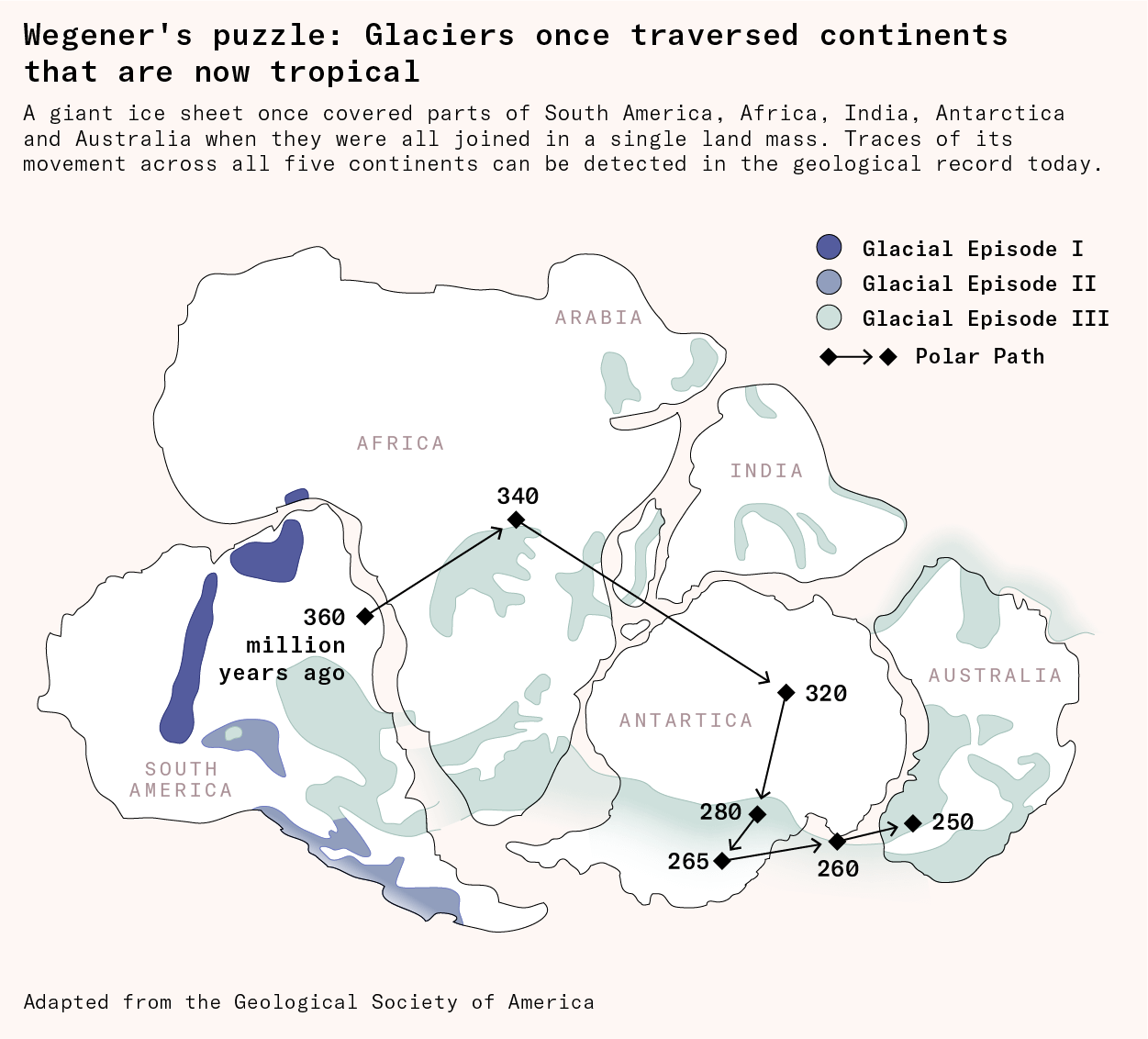
Without plate tectonics, we cannot explain mountains, deep sea trenches, earthquakes, or volcanoes. It tells us where to expect oil and why fossilized sea creatures show up in the middle of the desert. Given its extraordinary simplicity, it is surprising how long it took for plate tectonics to become consensus, writes Elizabeth Van Nostrand. People had noticed for centuries that South America and Africa fit together, but most geologists remained dismissive until the second half of the twentieth century. Only in the 1960s, when the US Navy funded research for submarine navigation did the consensus change. Plate tectonics may be the Platonic ideal of a scientific paradigm.
Is it better to drink one beer every evening for a year, or drink 365 beers in one evening? The answer may seem obvious, but the rules governing nuclear power are based on the idea that, when it comes to radiation, both doses are equivalent, explain Alex Chalmers and Ben Southwood. The studies often cited to justify treating any radiation exposure as intolerable turn out to be textbook cases of p-hacking; even the worst nuclear accidents have never had the long-term consequences these studies predict. Low doses of radiation are almost certainly safe, and a regulatory system that reflected that truth would make nuclear power far cheaper to build.

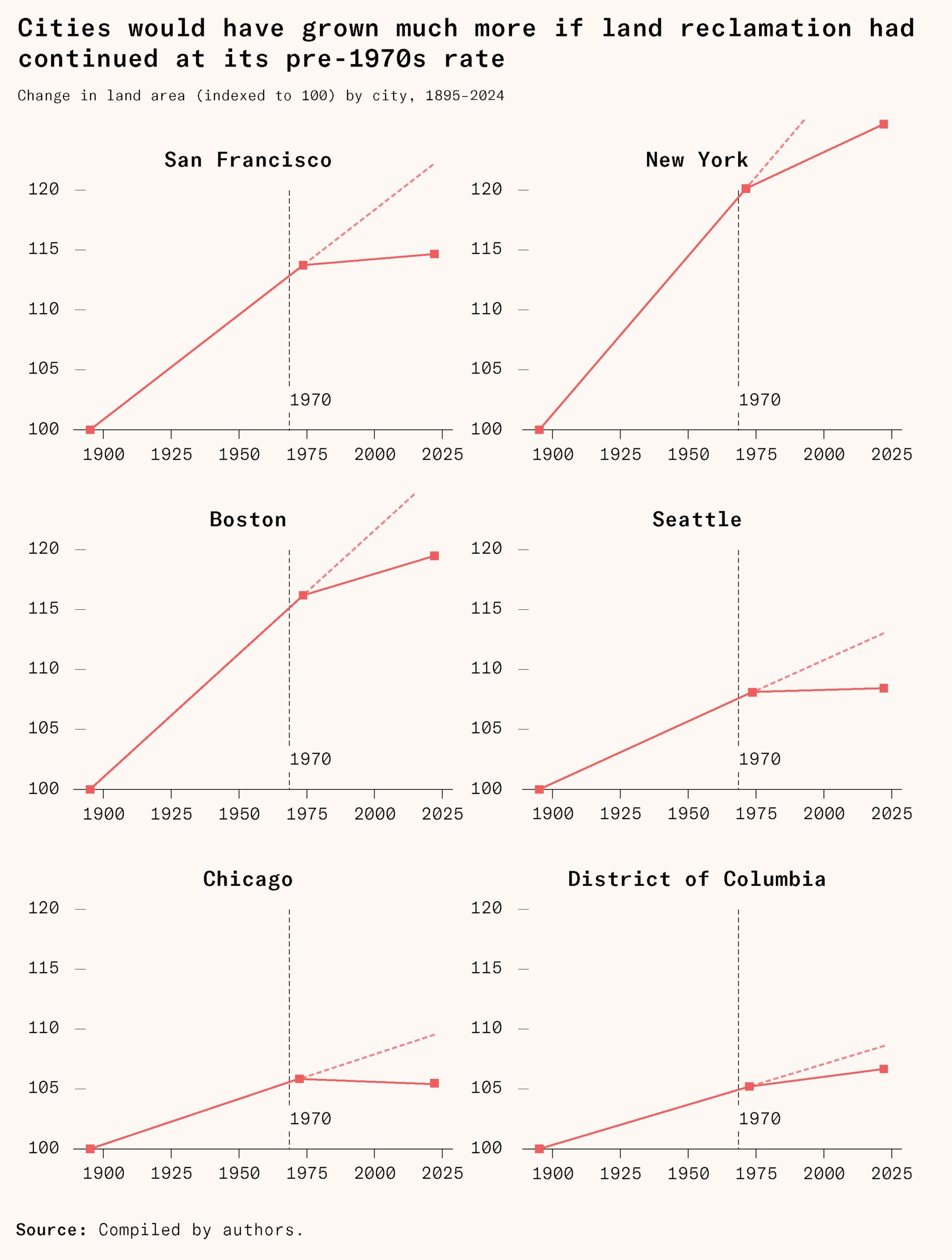
Since 1985, North Korea has reclaimed 14 times more land than the entire United States. America isn’t uniquely bad at this: across the entire Western world, land reclamation halted almost completely in the early 1970s. The timing of this change, argue Zigmund Forrest and Max Tabarrok, suggests that it was modern environmentalism that killed it. Land values have risen enormously in the last fifty years, and reclaiming land is technologically feasible near almost every major American and European city. To build more land, all that needs to happen is for it to become legal again.
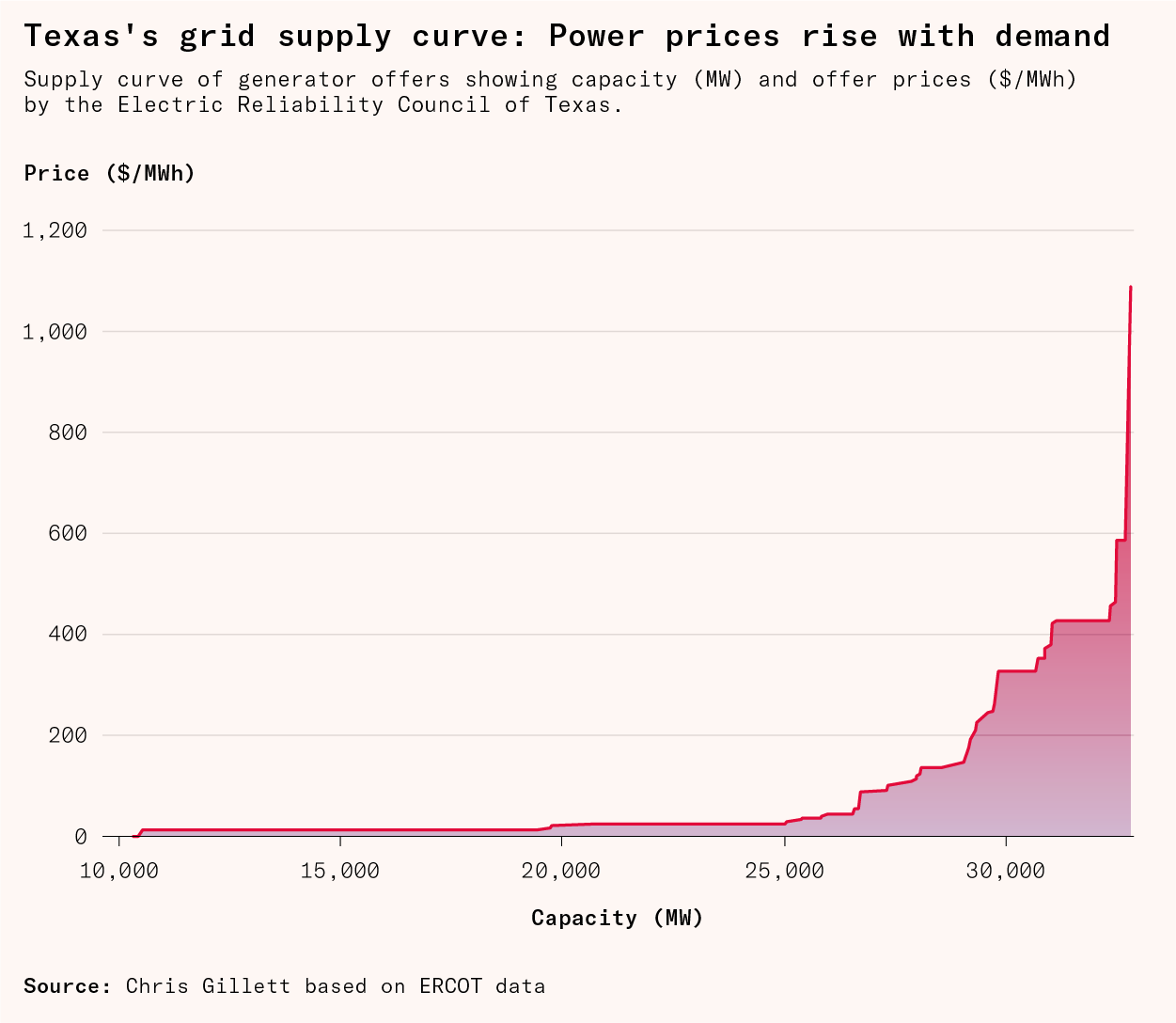
The limit on building data centers is the time it takes to get connected to the grid. Replacing the current first-come, first-served system with something closer to an auction and letting data centers plug in immediately if they agree to power down for a few hours a year could unlock far more capacity than building new plants alone, writes Chris Gillett. These changes would be almost free, bring down electricity prices, and dramatically speed up the construction of new data centers across America and much of Europe.
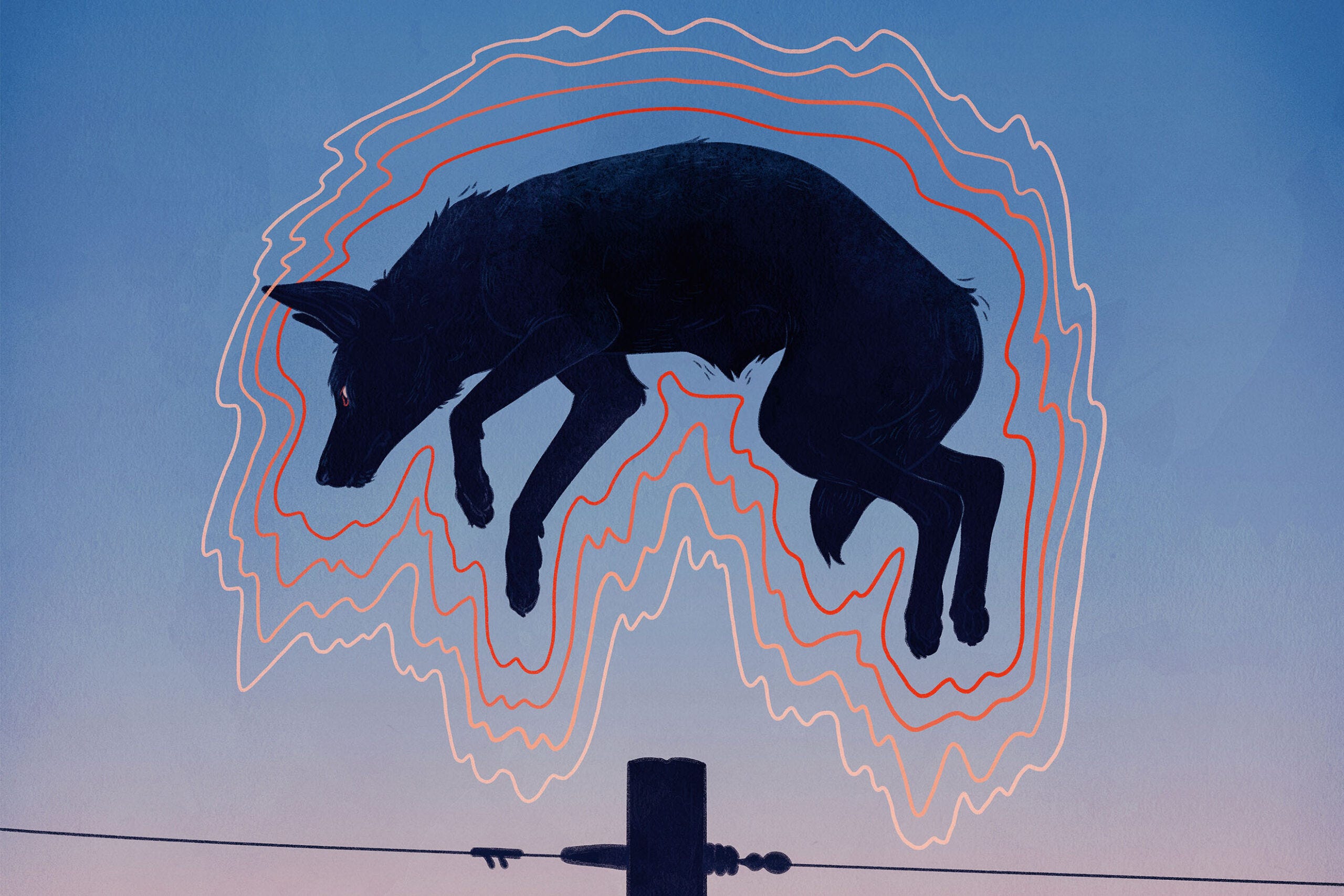
We commonly vaccinate humans and pets. But more than half of all infectious diseases are zoonotic, and a majority of those originate in wild animals, rather than pets or livestock. Rather than wait for diseases to spread, vaccinating wildlife directly is the cheapest way to protect humans, save species from extinction, and spare animals painful deaths, explains Michelle Ma. For some diseases, we’ve already done it: airdropping vaccine-laced chicken heads over the Swiss Alps and trapping koalas to vaccinate them against potentially fatal chlamydia.
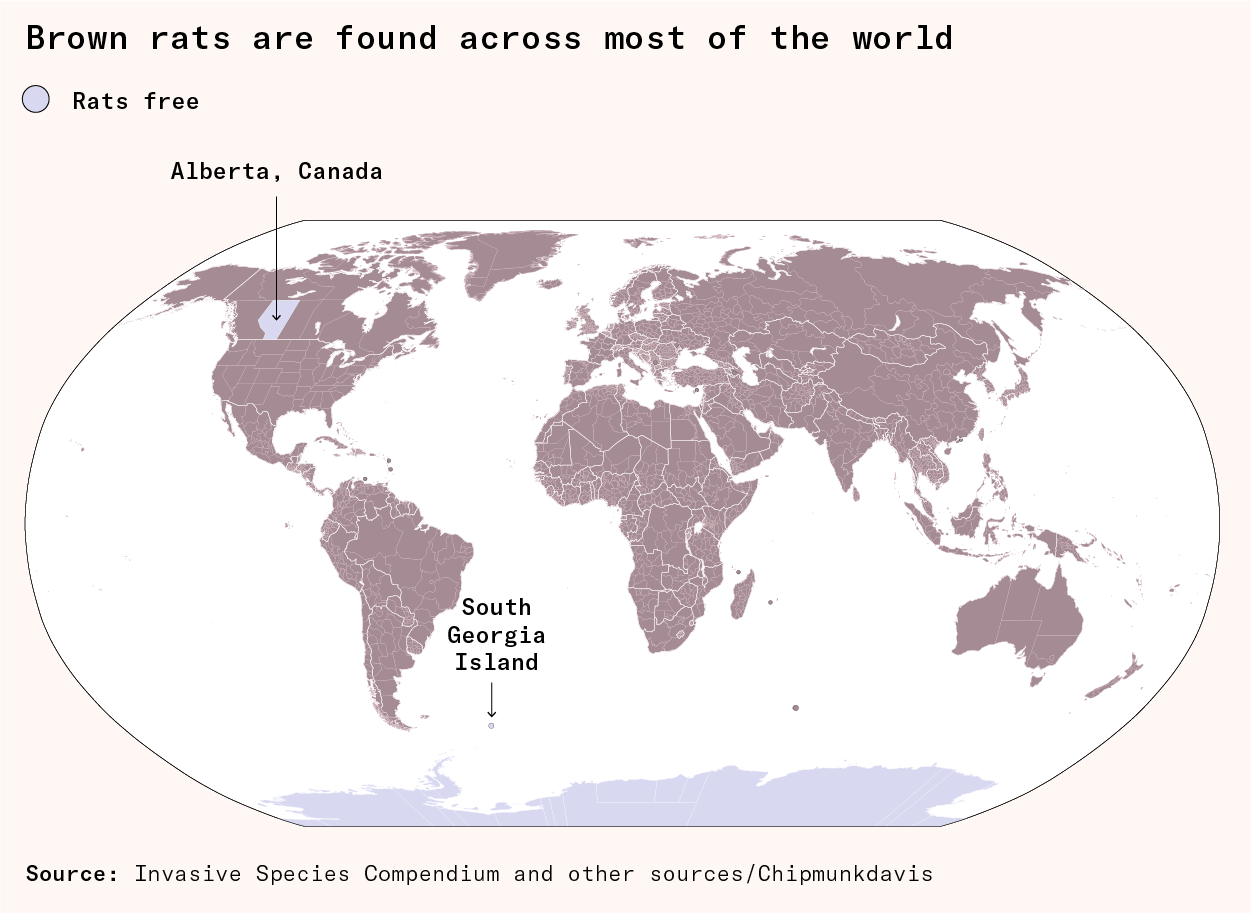
In a world map of rat habitats, only one blank space sits amidst a sea of red: the Canadian province of Alberta. Alberta has been free of rats for more than seventy years, making it a rat-free expanse second in size only to Antarctica, writes Deena Mousa. It did this by preventing them from settling at all: anticipating the corridors through which rats could enter, poisoning their potential habitats, and maintaining a state of permanent vigilance.
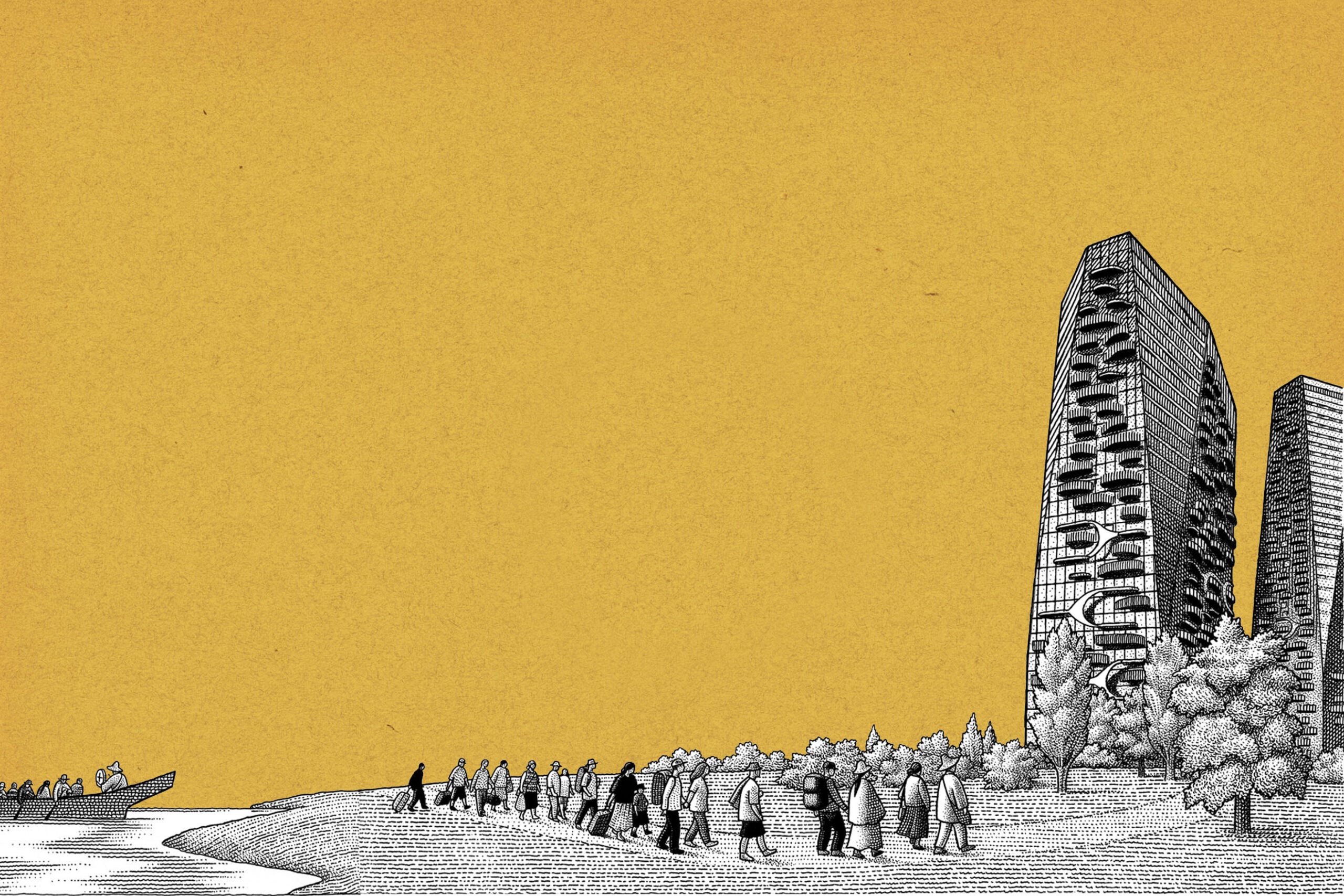
In 2002, a Canadian indigenous tribe, the Squamish Nation, managed to recover 11 acres of land in central Vancouver that had been seized from their ancestors in 1913. Freed from the zoning rules that keep the rest of Vancouver low-rise, the Nation voted to maximize density, and are now building eleven towers which will eventually house 9,000 people, writes Anya Martin. The story of the Squamish teaches us two things: when they benefit from development, people will vote for it, and when a development enjoys legitimacy, other parts of government will hesitate to block it.
Between 1600 and 1868, Japan’s ruling family kept the country almost entirely free of war. It did this by forcing its warrior aristocracy to live in a single city, writes Samuel Hughes. At its height, Edo, now Tokyo, was the largest city on Earth. It was less a functioning capital than an extremely effective, extremely expensive prison, sorting samurai, daimyo, and commoners into walled quarters sealed by checkpoints that closed every night. Edo was an enormous drain on taxpayers around Japan; in exchange, the country lived through a quarter millennium of peace.

Notes on Progress
We released a few Notes on Progress since the last issue:
The miracle of modern epidurals, by Phoebe Arslanagic-Little
How bacteria solved the mystery of inheritance, by Kevin Blake
European housing politics should be Americanized, by Samuel Hughes
Why Spain has the best cities in the world, by Harry Law
The flattening of American city flags, by Ned Donovan
What we can learn from a Chinese cure for a brutal blood cancer, by Ruxandra Teslo and Amol Punjabi
A review of Tyler Goodspeed’s book, Recession, by Mark Koyama
An architectural review of Washington, DC, by Samuel Hughes
The education of Ben Southwood, by Ben Southwood
How daraxonrasib made pancreatic cancer treatable, by Ruxandra Teslo
The Works in Progress podcast
We’ve released podcasts on;
How nineteenth century cities expanded so quickly and so well.
The articles in this very issue
This season of the Works in Progress podcast is now over. Keep your eyes peeled and ears pricked for the things to come.
Events
We hosted lightning talks on housing and infrastructure in Berlin; a party to celebrate Issue 24 in Washington, D.C.; and a behind-the-scenes glimpse at the design of the print magazine in New York.

Coming up soon:
Cambridge, UK: Subscriber-only Issue 25 launch party, Friday 21st August
Brussels: How can Europe catch up on AI?, Tuesday 8th September
Plus subscriber-only events in San Francisco and London. Sign up to the print magazine to get the details!
What we’ve been up to
Sam finished up as a judge on the Orwell Prize for Political Writing.
Saloni has been writing regular round ups of biology breakthroughs with Niko McCarty. She also wrote about why Covid vaccine trials were so fast, and interviewed the inventor of the second malaria vaccine, which is much cheaper and scalable than the first.
Pieter got into an argument with Paul Krugman and wrote two pieces about how Europe should think about AI.
Aria was on the Inkhaven podcast talking, yet again, about sexiness.
Rachel has been obsessively reading the work of Antal Szerb, a Hungarian novelist and literary critic, and translating some of his essays into English.
Ellen stayed in a capsule hotel in Berlin and spent the heatwave trying to brew the perfect iced tea.
Ruxandra recently visited Washington, DC to advocate for clinical trial reform and she was very happy to see the recent initiative from the HHS focused on making Phase I trials faster.
The through-line worth stealing: growth stopped being zero-sum exactly when building got easy, and turned zero-sum again when it got hard. Most of today’s ‘redistribution vs growth’ fights are downstream of that one constraint.