

Works in Progress Issue 22 is out today.
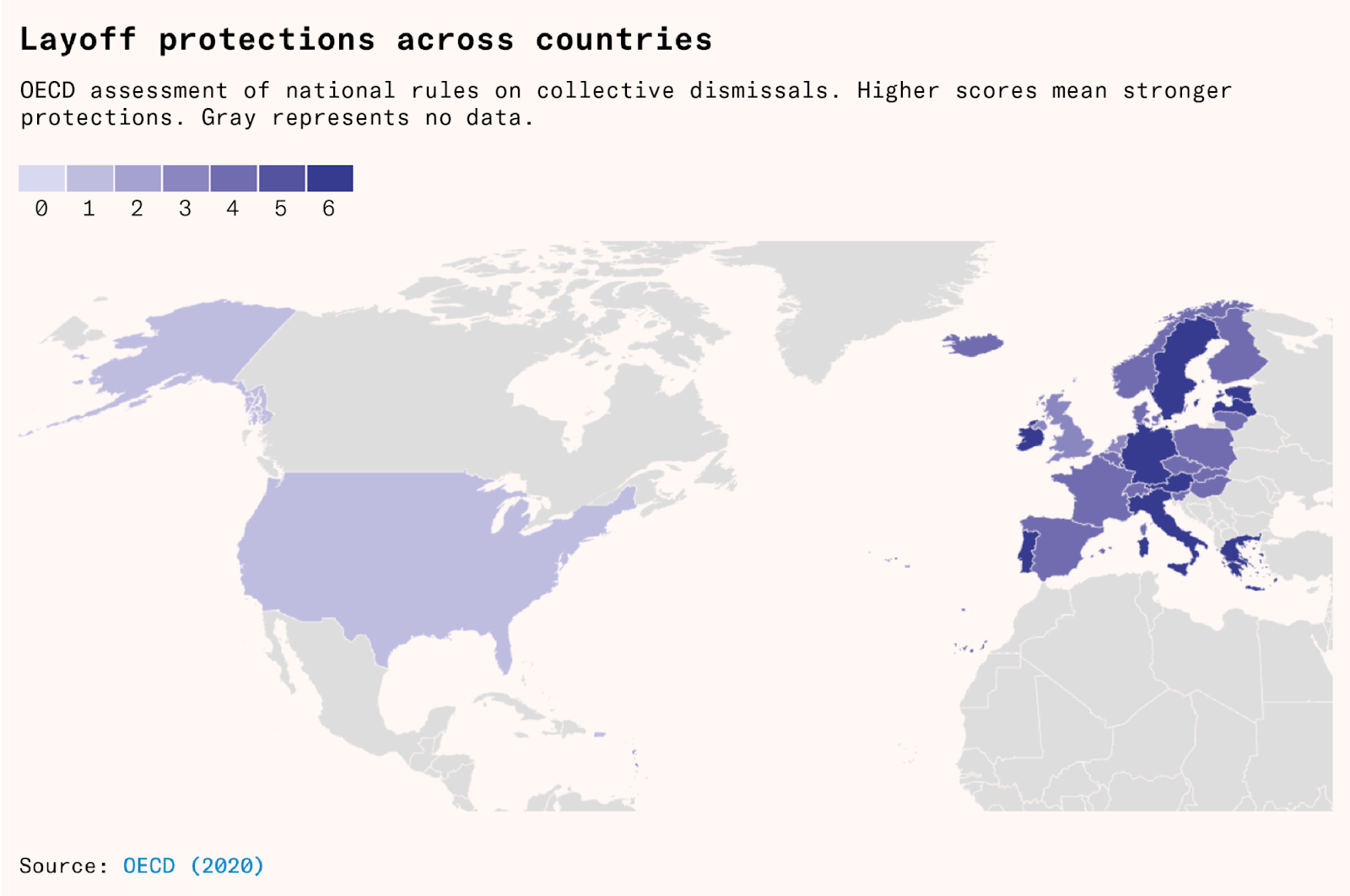
Our lead piece is about why Europe doesn’t have a Tesla: how rigid labor markets prevent Europe’s companies from taking risky bets.

Print subscribers received the full edition this week. Some articles were previously released online, and the rest of the issue is available on the website today. The issue contains pieces on:
Subscribe here to get a year of the print magazine for $100. New subscribers will receive Issue 22 immediately, plus a new issue every two months after that.
European labor law makes it very expensive for companies to fire people when business ventures fail. Compared with America, a large company has to pay over four times more in France and Germany to let someone go. That may sound like a good deal for workers, but it stops companies from taking risks, leading to less innovation, explains Pieter Garicano. That doesn’t mean Europe needs to copy the American model. Some countries, like Denmark and Switzerland, have systems that get the good parts without the bad.
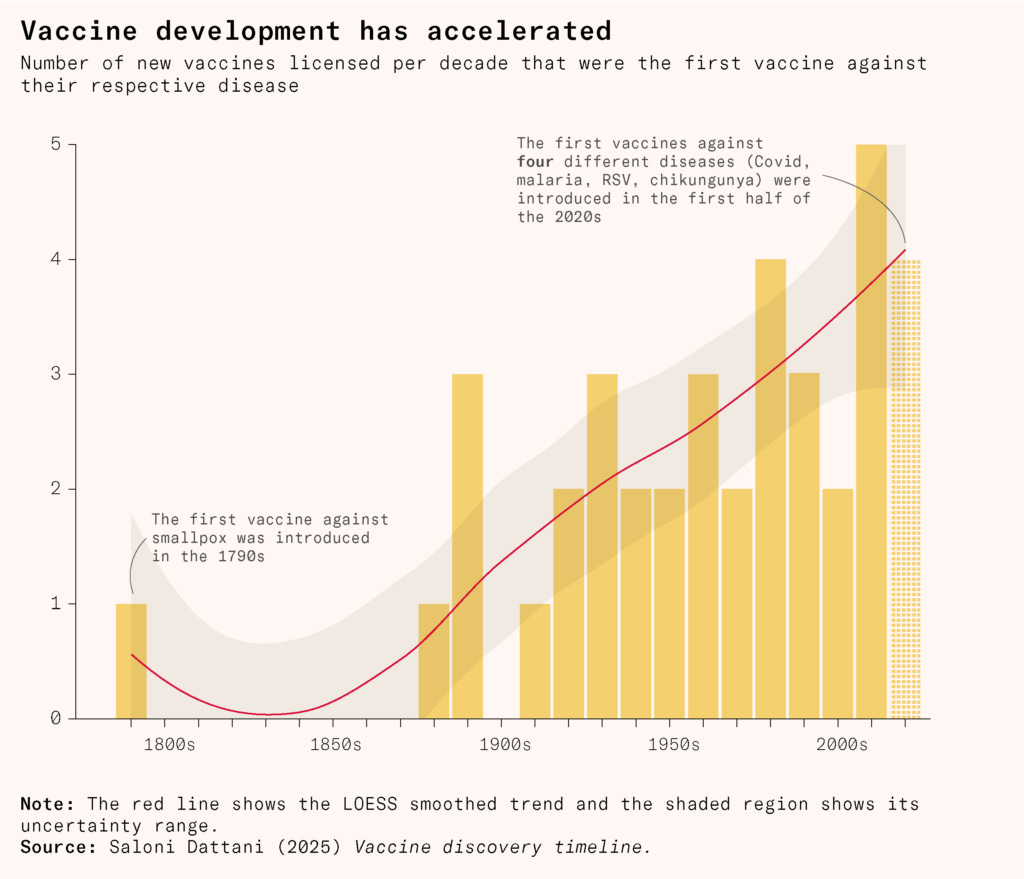
In the 230 years since Jenner’s discovery of the inoculation for smallpox, vaccine technology has improved inconceivably. Microbes that were once invisible to us can now be observed at the atomic level, and vaccines that were once grown in animals can now be built in bacterial factories. We live in the golden age of vaccine development, writes Saloni Dattani, but vaccines on the horizon will only arrive if we continue to invest in them.
Most animals have predictable lifespans. Larger animals, and those with more neurons, live longer. But some species are aberrations, using special tricks to live much longer than normal. Lobsters continue to repair their DNA beyond a century, while a jellyfish can revert to its infant state and theoretically live forever. Greenland sharks live for four centuries, and the naked mole rat’s odds of dying in a year may not increase with age at all. By studying what gives these creatures their extraordinary lifespans, we may be able to extend our own, writes Aria Schrecker.

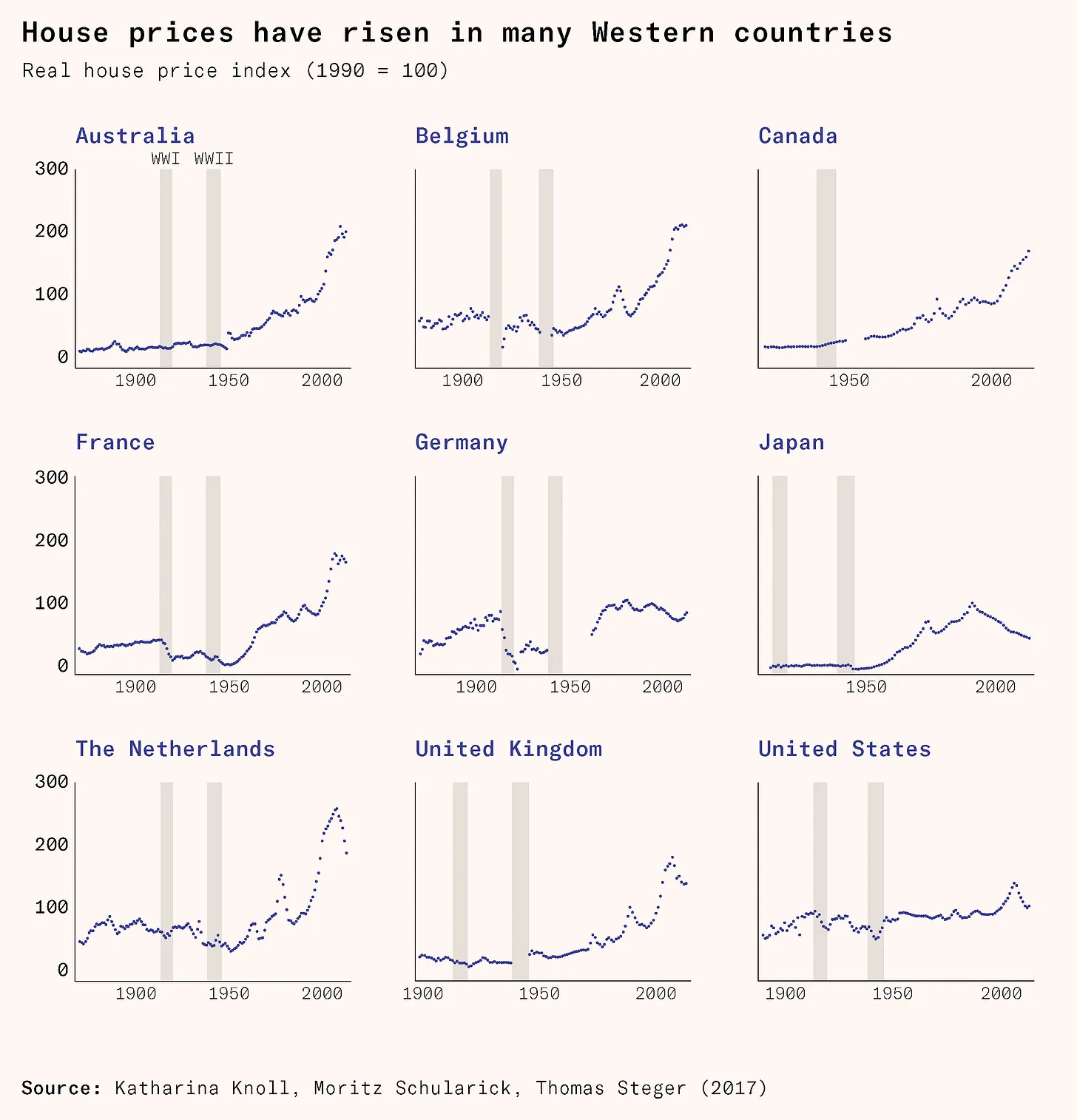
Between 1833 and 1900, Chicago’s population doubled every five years. It is only a slightly extreme example of the rapid population growth in Victorian cities. And, even as urban populations grew enormously, real house prices stayed flat while homes doubled in size and quality. The difference between those cities and Western cities today is institutions, says Samuel Hughes. Urban governance in the nineteenth-century aligned profit with public good in ways we have since forgotten.
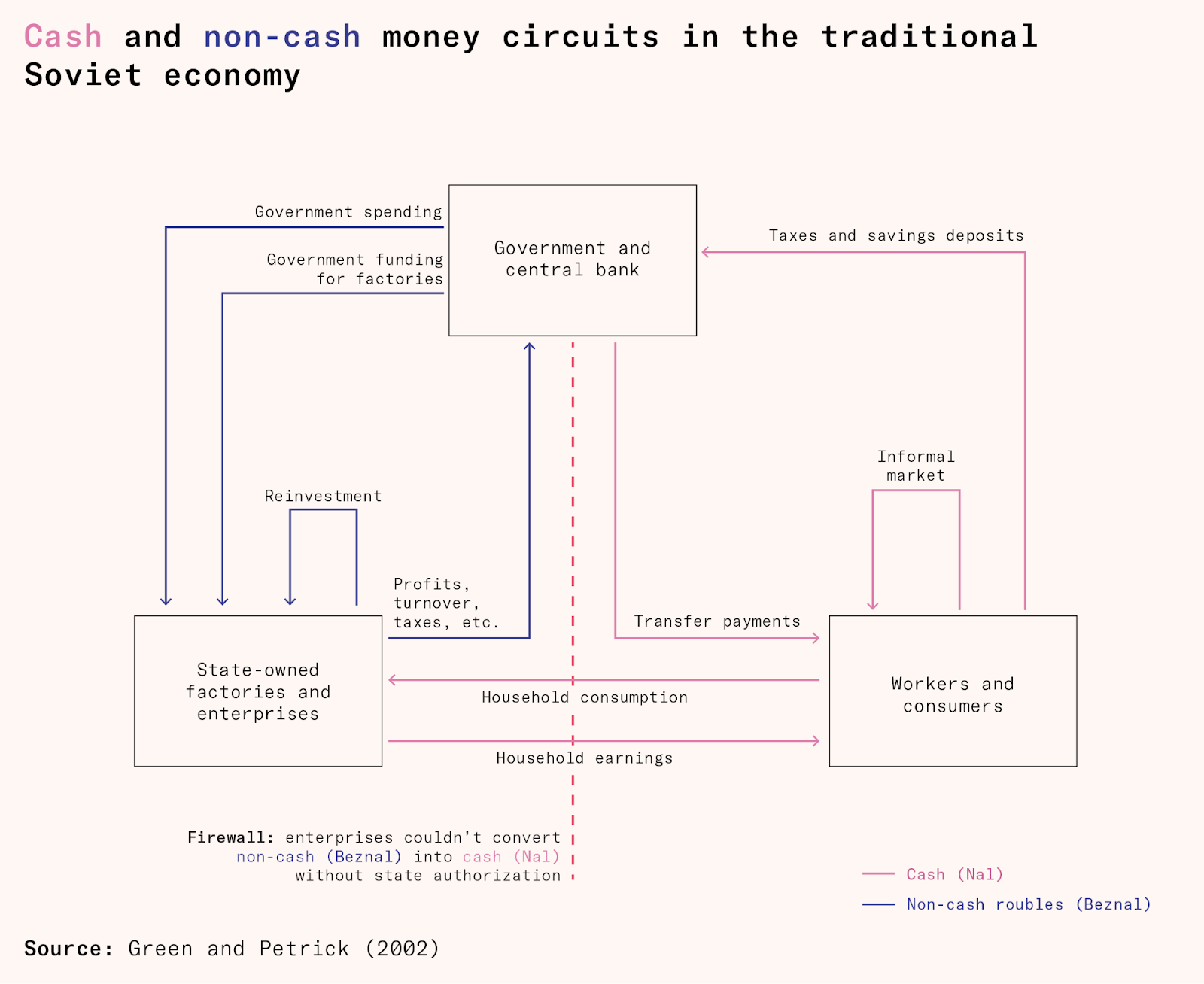
Reformers in the communist bloc regularly tried to introduce markets into planning. Yet almost every time, their proposed reforms were either watered down or passed and then reversed, writes Michael Hill. The problem was that people in communist countries, perhaps even more so than capitalist countries, didn’t like inflation. If reforms did not create broad coalitions of winners quickly, they led to social instability.
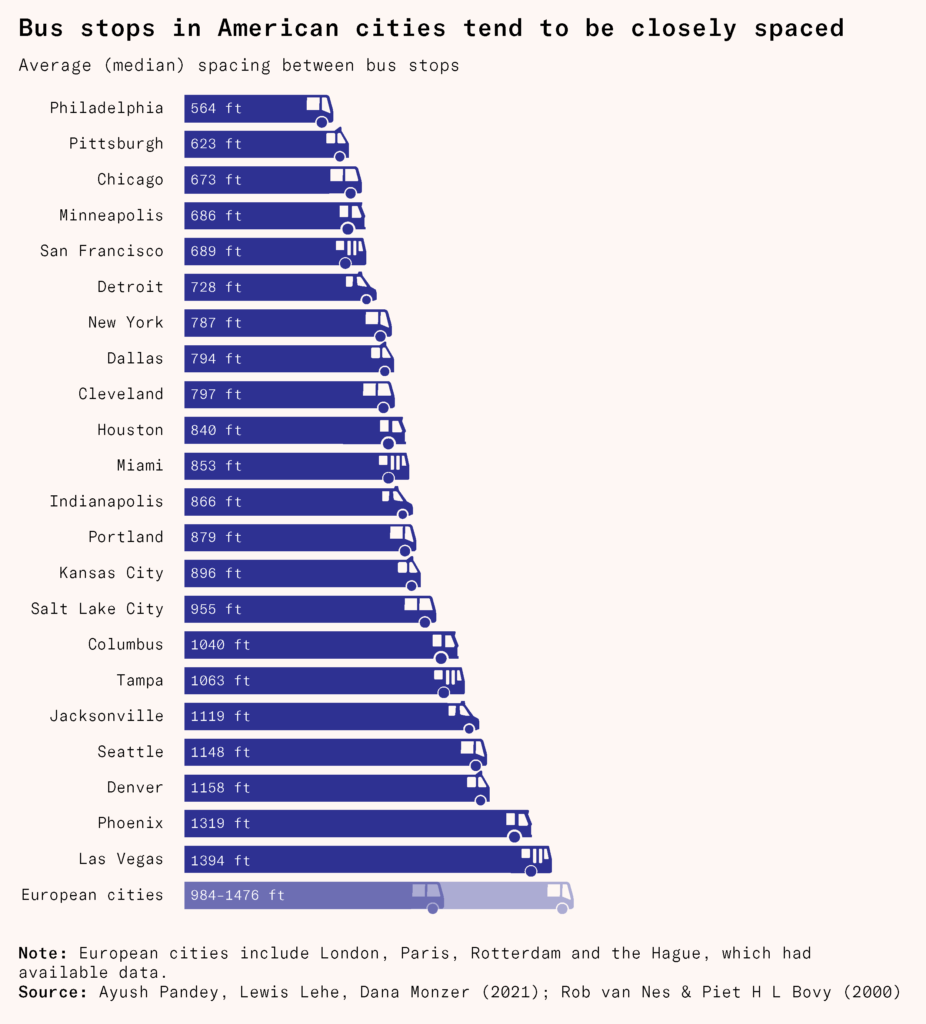
In America, Europe, and Britain, buses move more people than rail. But unlike those on the continent, America’s buses are desperately slow. This can be blamed on bus stops, writes Nithin Vejendla. American cities have up to eight bus stops per mile, while European cities have four or five. Each extra stop costs riders time and makes the bus less competitive with the car. We could make bus routes better without more investment, just by removing some signs.
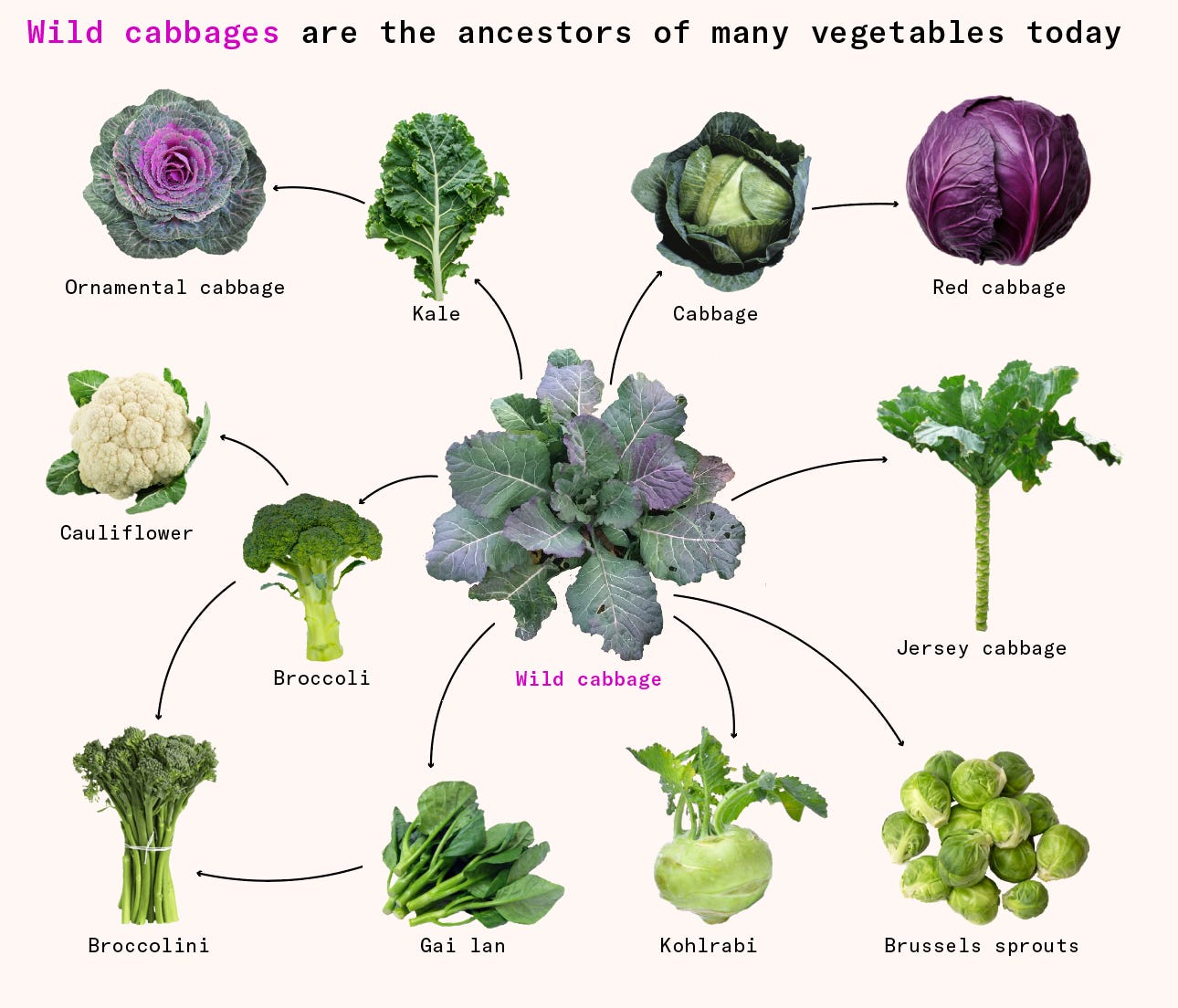
Wild cabbage consists of untidy leaves and a few coarse stems. Yet from this single plant, ancient farmers sculpted cabbage, kale, broccoli, Brussels sprouts, cauliflower, kohlrabi, and much else, writes Alex Wakeman. With modern genomics and a bit of literary analysis, we now know how and where this happened.
American water has doubled in price over the last four decades without any meaningful improvement to quality. This isn’t because water is scarcer, but because federal regulators have imposed mandates with costs that often vastly exceed benefits, writes Judge Glock. Like with nuclear power, water has become captured by ‘safetyism’ – the view that regulators should minimize risks rather than balance them against benefits.
Marriage is a tool for managing resources, building alliances, and maximizing descendants. Different circumstances can make different kinds of marriage useful, so marriage customs vary widely, writes Olympia Campbell. These customs include monogamous, Western pairing, but also practices like ghost marriages, trial marriages, polygyny, polyandry, bride service, bridewealth, and menstrual huts. Humans are one of few mammalian species that pair up over long periods of time, and may be the only species where third parties interfere in how they do it.

New recruits
Will Hewitt is WIP’s new publishing and operations assistant. Among other things, he’ll be making sure our print subscribers are happy.
Ryan Duffy has joined to lead marketing for Works in Progress and for Stripe Press. He will help us grow our audience, and sell books and magazine subscriptions.
Magnus Agustsson will be WIP’s designer. He is responsible for creating the print magazine alongside our art director, Atalanta Aarden-Miller.
Ellen Pasternack has joined the editing team for the first half of 2026, making sure all our pieces are polished and factchecked.
Jack Wilkinson will be editing our podcast and our shortform video clips.
The Update
Stefan Schubert writes The Update, a regular newsletter tracking current events and long-term trends. You can subscribe here.
The Works in Progress podcast
Ben explained why he has, despite his best instincts for what is uncool, become scared of the destabilizing effects of inflation. Pieter and guest Mark Koyama were the voices of reason.
Sam narrated what it’s like to visit a pressurized water reactor, while Alex Chalmers and Ben fretted about the regulations that are preventing a nuclear power renaissance.
Saloni and Jacob podcasted about the wild and amazing history of vaccines, and, separately, about the first cancer vaccine – introduced more than forty years ago!
What we’ve been up to
After an excellent year at Works in Progress, Alex Chalmers has left us to join the Cosmos Institute. His best pieces include an overview of the lessons from Airbus for industrial policy, and a history of French nuclear power. Stay tuned as we release the Chalmers backlog in Issues 23, 24, and 25.
Sam’s wife had another baby, and they are all doing very well. Sam wrote sceptically about social media bans for teens for the Washington Post and has been reading a lot of books for the Orwell Prize and about the Hundred Years’ War.
Ben revealed the Fingleton Review (aka the Nuclear Regulatory Taskforce)’s secret weapon: undoing the UK’s 80-year ban on sharing the benefits of development with locals. He explained how the UK government could provide the infrastructure needed to enable its National Planning Policy Framework reforms. And he went on Peel Hunt’s podcast, Macro Minds, hosted by Kallum Pickering to talk about why infrastructure in the UK is expensive and slow.
Saloni wrote a popular blogpost on how to make data visualization more clear, effective, and beautiful. She also started a Clinical Trials Abundance blog to accelerate medical innovation with Ruxandra Teslo, Adam Kroetsch, Manjari Narayan, and Witold Więcek. Their first posts describe the various benefits of transparency in clinical trials, why the FDA published new Bayesian statistics guidance, and what we can learn from Australia’s faster clinical trials process.
Rachel ran a bookshop in Dublin for the Stripe Young Scientist, visited Sweny’s Pharmacy, and finished reading the Iliad.
Pieter wrote about Europe’s congestion pricing ban and the problems with wind power. He will be in Brussels in two weeks to host an event on metascience.
Aria went to El Salvador to enjoy pupusas and the effects of Bukele’s anti-crime policy. She has started a series on her Substack about how to find a husband. The first posts tell you that you should want a husband, you probably won’t find one, and that you can play dating market arbitrage by pursuing younger men. She is going to be speaking at the Adam Smith Institute tonight about economic growth in Britain.
Samuel published an article on urban government in the nineteenth century. He has been writing about Tokyo in the 1700s, the nocturnal lifestyles of elite Victorians, and how Christianity changed romantic love in the Roman Empire.
Atalanta’s paintings during an art residency were the topic of a mini-doc. She walked out of Hamnet and recommends Pillion as the best film this year. She’s collecting questions people have about the art world: email her at aardenmiller-c@stripe.com if you have any.
Will joined in January to work on publishing and operations with Rachel. He’s recently got back to restoring a small 1950s motorboat. When not doing that he spends much of his time reading, coding, and writing. He hopes to make his first Substack post soon.
Ryan joined in January to work on growth for Works in Progress and Stripe Press. Currently on his nightstand: The Shame Archive by Oliver Harris, Maintenance by Stewart Brand, and Danger Zone: The Coming Conflict with China by Hal Brands and Michael Beckley.
Magnus joined the team this January as our new editorial designer. He’s been making drawings, playing bass, and is determined this time not to lose his copy of The Unbearable Lightness of Being before he finishes it.
Ellen joined in January as a new editor; she is also working on a campaign to address the UK’s driving test shortage (soon to officially launch). She also recently learned to fire a gun, finished reading the Iliad (with Rachel), and will be in Brussels in two weeks (with Pieter).
As ever, remember that we are always open to pitches on any topic you feel we might be interested in. Happy reading!
– The Works in Progress team
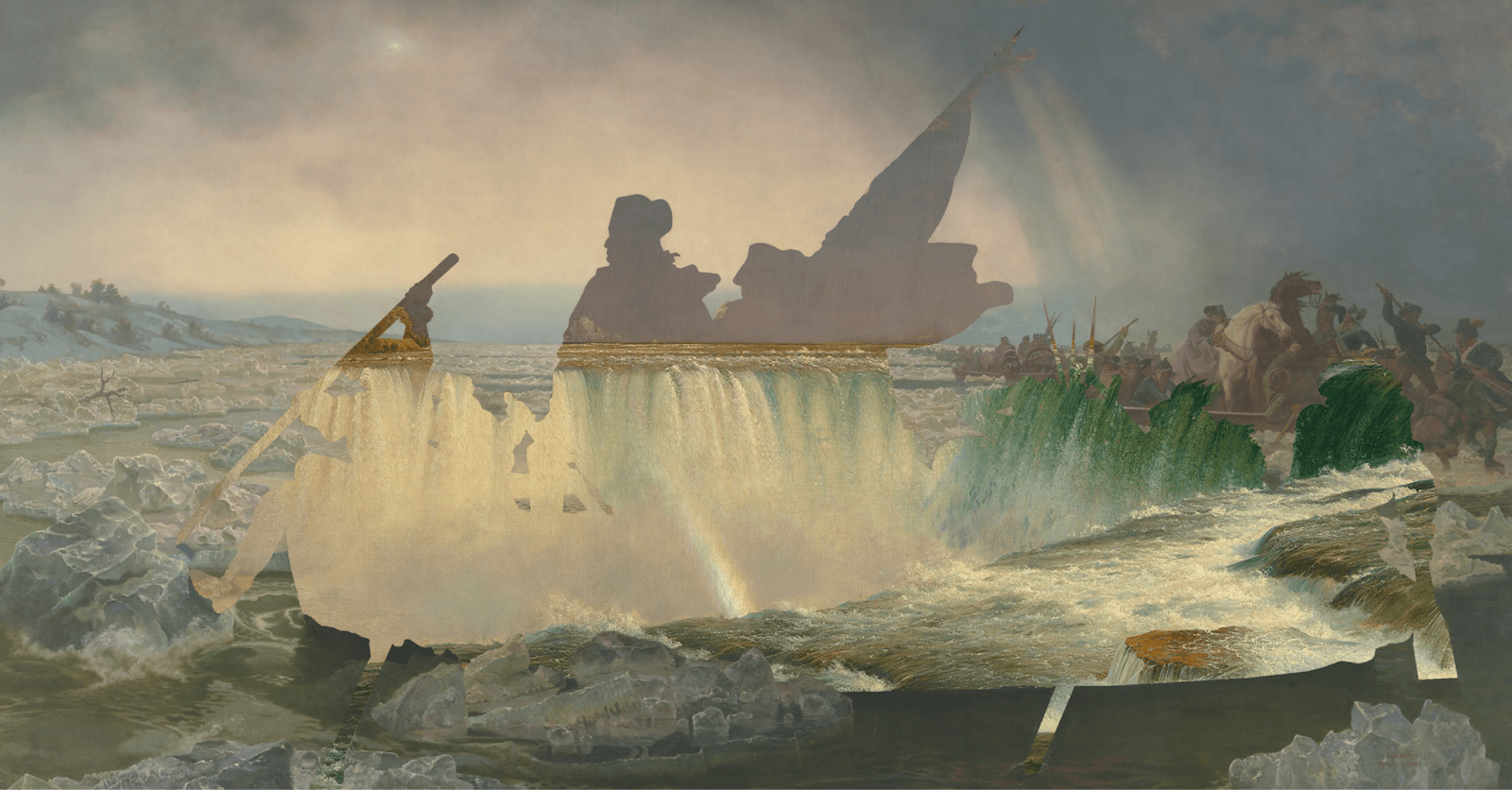
The title page for the Sam Hughes piece is very cool.