

In April, I gave a TED talk on the main stage in Vancouver, and it was released online today. You can watch it here.
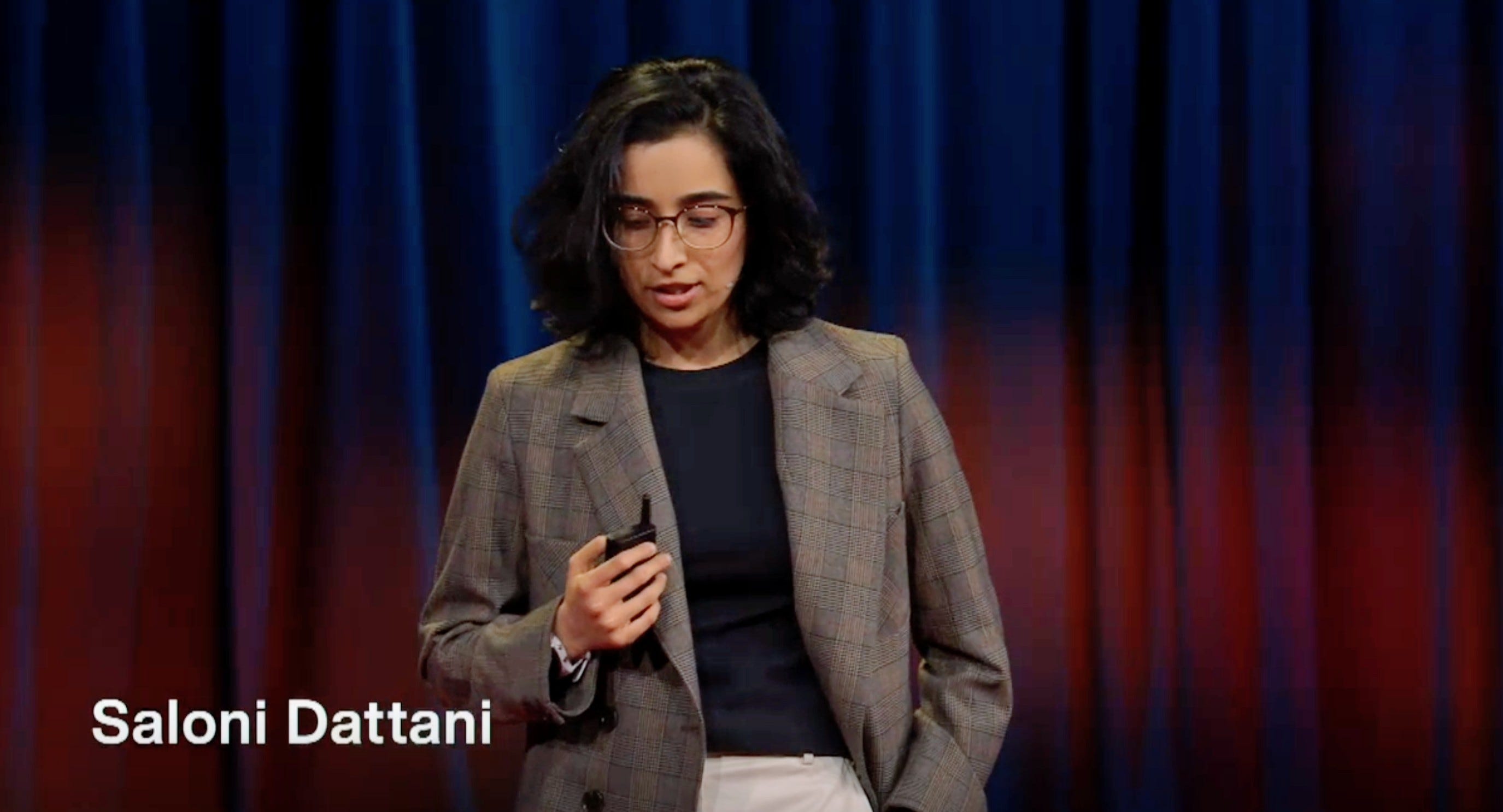
I’ve also written a longer companion article for Works in Progress, which was published last week – you can read it here.
I think we’re at a turning point when it comes to medical innovation. Our tools are improving rapidly, but our ambitions to use them have fallen behind. Science funding has slowed down, aid budgets have been slashed, and immigration restrictions mean we’re driving away expertise. Even when things have come back online, the disruption and loss of expertise will make it hard to return to our previous trajectory. We could be doing so much more. Medical innovation might not seem urgent in the abstract, but most of us know someone whose life it could change, and eventually I think it affects us all. We can change that.
That’s part of the motivation for my writing on global health and medical innovation at Works in Progress and my work on clinical trial reform at the Abundance and Growth Fund, but the talk is also larger than that: it’s a call to arms for more people to work on medical innovation, and explains why you don’t have to be a scientist to do it.
I hope you enjoy it!
Reading list
The talk covers lots of topics I’ve previously written about or covered in podcast episodes. Here’s a list if you’d like to read more:
The Golden Age of vaccine development The first vaccine was a lucky accident. Now we can design new vaccines in weeks, atom by atom. [Works in Progress]
Death rates from cardiovascular disease have fallen dramatically Over a century of progress in surgery, drugs, prevention, and emergency response has driven down death rates from heart disease and stroke. [Our World in Data]
Childhood leukemia: how a deadly cancer became treatable Before the 1970s, most children affected by leukemia would quickly die from it. Now, most children in rich countries are cured. [Our World in Data]
Why we didn’t get a malaria vaccine sooner (written with Rachel Glennerster & Siddhartha Haria) Hundreds of thousands of people die from malaria each year, but it took 141 years to develop a vaccine for it. [Works in Progress]
Lenacapavir: the miracle drug that could end AIDS (episode co-hosted with Jacob Trefethen) Saloni and Jacob talk about the development and prospects for this new drug, as well as the history of HIV, the initial discovery of retroviruses, and how HIV was transformed from a death sentence to a manageable condition. [Hard Drugs]
Should everyone be taking statins? (episode co-hosted with Jacob Trefethen) Heart disease is the leading cause of death worldwide, but it’s also one of medicine’s biggest success stories. [Hard Drugs]
Medical breakthroughs in 2025 An end-of-year round up of the biggest news in biotech and medicine that I wrote last year. [Scientific Discovery]
Hi Saloni! What is your advice/guidance for those who are interested in answering the call of medical research and innovation but don't know how? Over the past 3 years, I have frequently contemplated switching from software development to biology research, but really don't know how to make the transition. I have worked in the tech industry in a variety of software development roles for 17 years, so it feels easier to go towards building open source software tools and systems that biology researchers need/use, but it requires domain knowledge. So, I wonder if the best means to acquire this knowledge are traditional (university education), self-guided (online courses and specializations), or on the job (assuming there are roles where medical researchers prefer software systems engineers over computational biologists). Apologies if this isn't the right forum for my inquiry.
BTW, I love WIP physical magazines, and just received the August edition. Can't wait to read it. Thank you!
Enjoying also your hard drugs podcast on various drug repurposing. You mentioned shingles vaccines and age given being quite old. I recently pushed my GP surgery for one whilst only 59 years old given I've had shingles twice within 5 years and it's getting worse. I got the good news and had my first last week with a follow-up in February next year. It's the inactivated one by the way. So people need to present at GP surgeries if they are getting shingles when younger multiple times and demand the vaccine you never know they might also get it on NHS like me.