

Our cover story is by Robin Rivaton and Ben Southwood, on how China’s cities function as risk-loving municipal venture capital funds, and have turned the country into a continent-sized Silicon Valley. The issue also contains pieces by Dan Wang on the American Sun Belt, Nan Ransohoff on the world’s biggest problems, and Stephen Kotkin on Leninism’s fatal flaw.
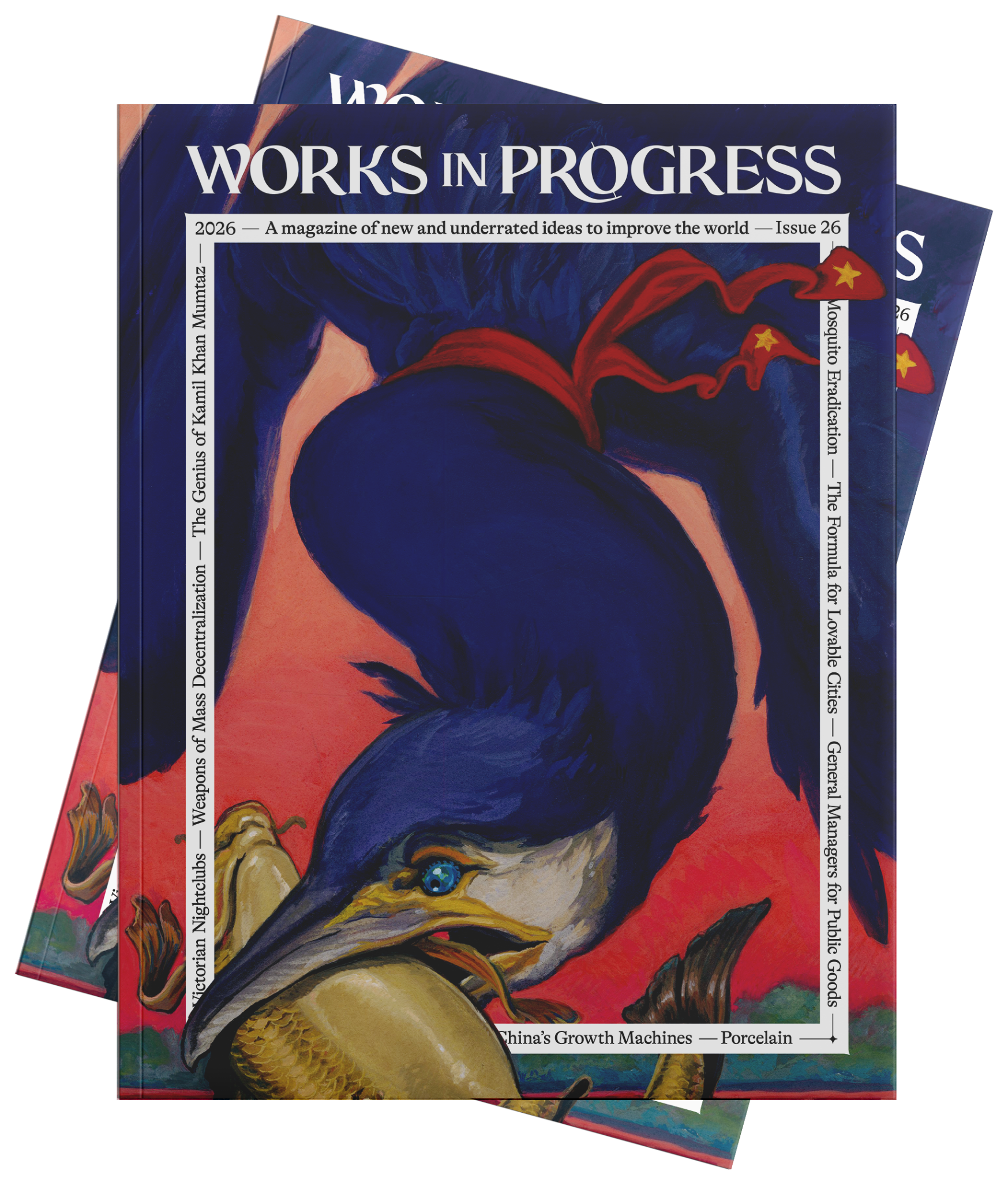
Print subscribers start to receive the full edition this week. Online readers will receive the articles over the next few weeks.
Two pieces are already out online:
Maya Rosen on the eradication of mosquitoes
Patrick Fitzsimmons on the Bronze Age collapse
The issue also contains pieces by:
Phoebe Arslanagić-Little and Samuel Hughes on the formula for lovable cities
Charles C. Mann on porcelain
Virginia Postrel on the invention of supermarkets
Tyler Cowen on Brazilian food
Saloni Dattani on science myths
Aria Schrecker on the causes of the sexual revolution
Samuel Hughes on Victorian elites
Pieter Garicano on modern warfare
Abhishaike Mahajan on biology hedge funds
Features

In the 1980s, Geely was a refrigerator parts manufacturer in the provincial city of Hangzhou, China. Today it is an auto giant that owns Volvo, Lotus, Polestar and part of Aston Martin. Look almost anywhere in China and you’ll see similar stories of transformation and explosive growth. The world’s largest suppliers of electric vehicles, LiDAR, display panels, and batteries are all young Chinese companies.
Many attribute China’s success to wise and foresighted winner picking from the Chinese Communist Party – its willingness to be strategic in a world otherwise governed by the ruthless pursuit of the bottom line. But really, write Robin Rivaton and Ben Southwood, China’s secret ingredient is that it takes many of the things that make America so successful to extreme, exaggerated degrees: cheap capital, a huge market, and intense competition at every level. China’s mayors and regional leaders effectively work as venture capitalists, investing to bring about growth in their areas, and creating powerful ‘local growth machines’ that make the country rich.
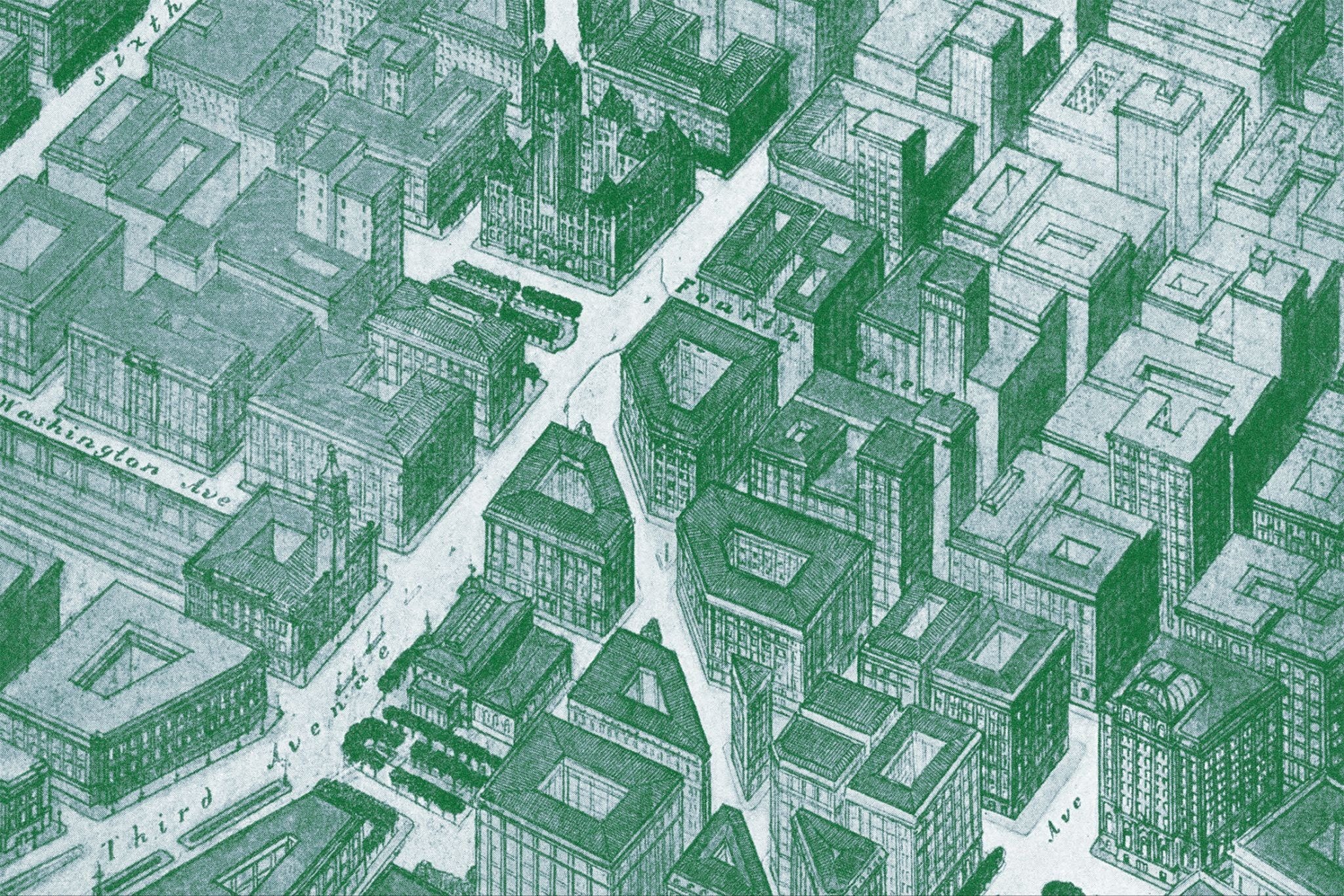
Everyone loves old cities like Bruges, Prague, and Avignon. But this isn’t just because they have beautiful historic buildings: the layouts of medieval city centers make them feel cosy, human, and organic. The Austrian architect Camillo Sitte theorized in 1902 that the recipe for lovable cities like these involved small, enclosed squares, curved streets, public art sitting on the edge of plazas, not in the middle, and asymmetry. Above all, cities were the voids between buildings, rather than the buildings themselves, which should join together into a warm, hugging wall. His work was hugely influential in its own time, but has since been forgotten – an oversight that Phoebe Arslanagic-Little and Samuel Hughes try to correct in their article explaining Sitte’s principles.

There’s nothing quite like porcelain, writes Charles C Mann. Invented three thousand years ago by Chinese potters, it is produced from a special kind of clay, kaolin, that essentially produces glass when heated, creating the material’s distinctive, translucent delicacy. It later became an object of obsession for European royalty and alchemists who experimented for centuries to discover its secret. Today, innovation in porcelain and related materials is producing high-tech kitchen equipment and bone replacements. Porcelain is a reminder that the drive to create new types of matter has long played a powerful role in human history.
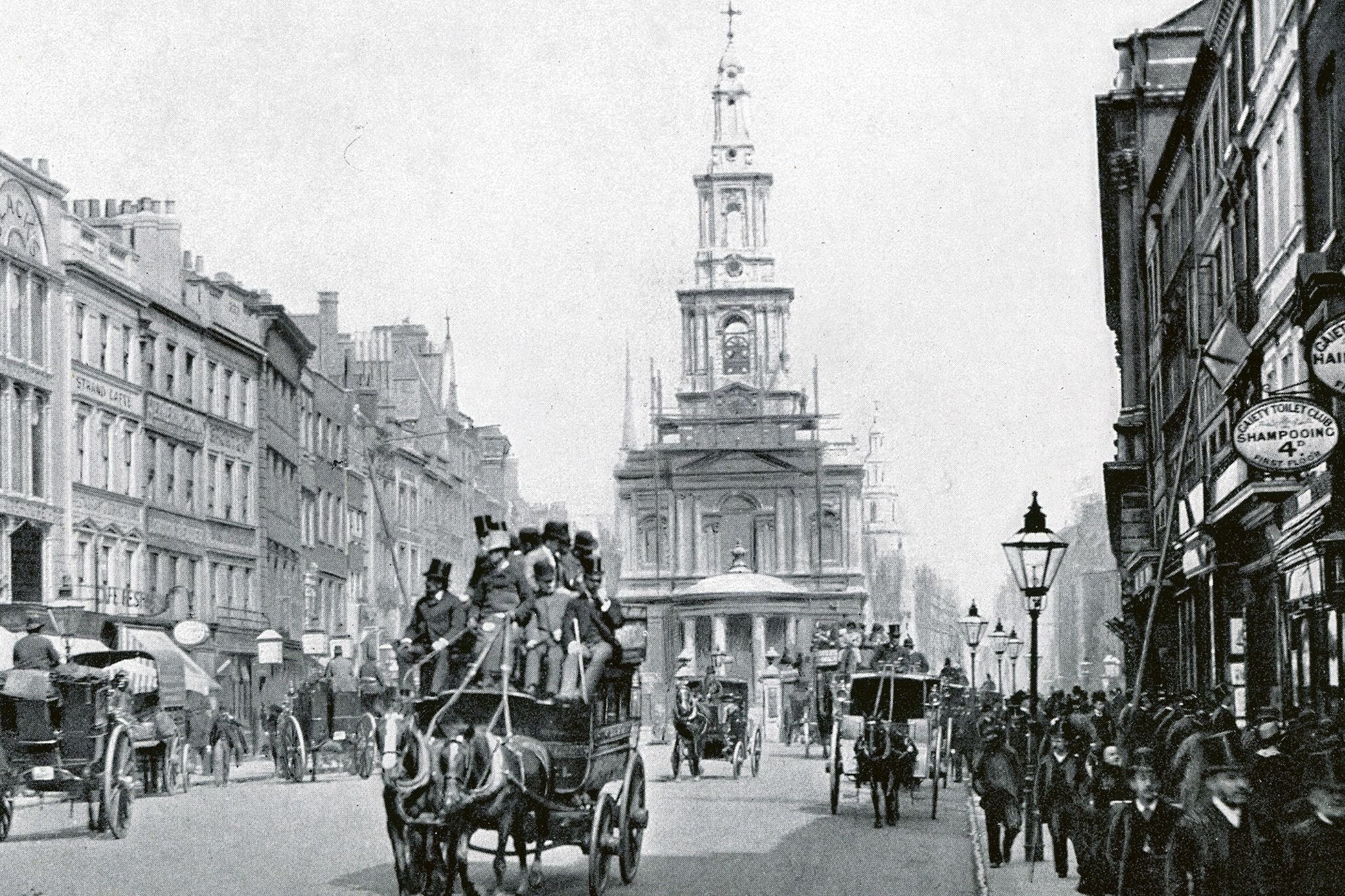
Successful people get up early, work long hours, never drink or smoke, and submit themselves regularly to high-intensity interval training, meditations, and ice baths. Right? Well, the Victorians didn’t think so, writes Samuel Hughes. The upper class of nineteenth-century England learned relatively little at school or university, and instead spent much of their time playing rugby and hazing each other. As adults they often started their days late after long nights of feasting and drinking. You might be skeptical that this was a recipe for success, but it created a powerfully bonded elite with very high levels of internal trust, which oversaw the largest empire the world has ever seen.

Mosquito-borne disease is, in theory, a solved problem. In the last decade biologists have come up with several techniques that can either make mosquito populations immune to diseases like dengue and yellow fever or suppress their populations by making them sterile. These techniques are effective and, because their effects are so precise, have minimal effects on the environment (unlike the insecticides traditionally used). Why, then, is dengue on the rise in the United States? Maya Rosen investigates how American regulatory agencies have spent years sitting on the tools that would help.
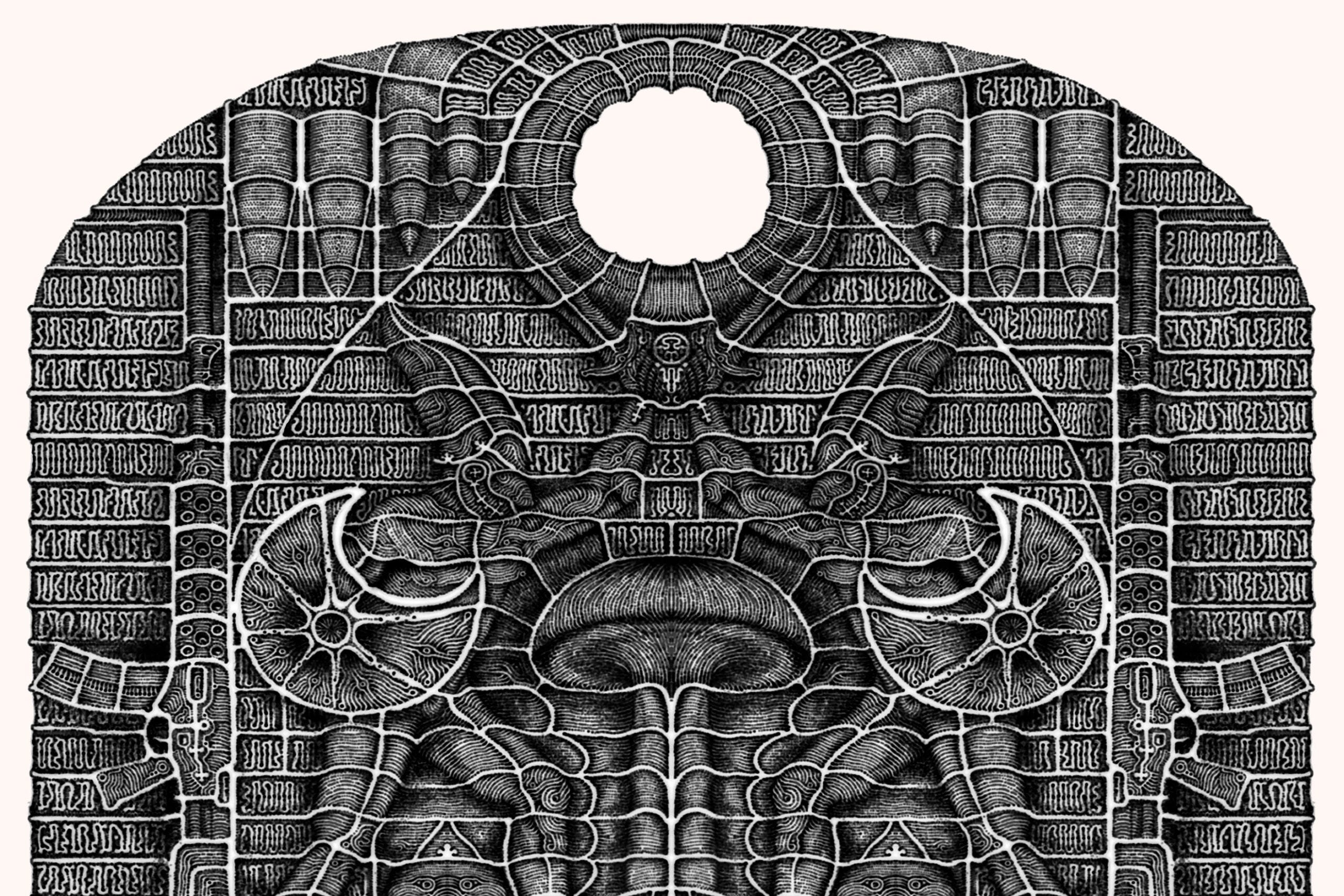
Bronze Age powers like the Egyptians, Hittites and Babylonians were powered by bronze weapons, made by combining copper and tin. Tin was scarce, meaning that anyone who could control it could create a near-monopoly on violence, and control huge territories. That changed with the invention of the bloomery, which allowed the mass production of iron weapons. Iron, argues Patrick Fitzsimmons, is why no new empires rose to fill the power vacuum created by the Bronze Age collapse 3,000 years ago. It’s not that iron weapons were better than bronze ones; rather, they were easier to get hold of, meaning that warlords and bandits could now arm themselves against superpowers. What new technologies could do the same today?
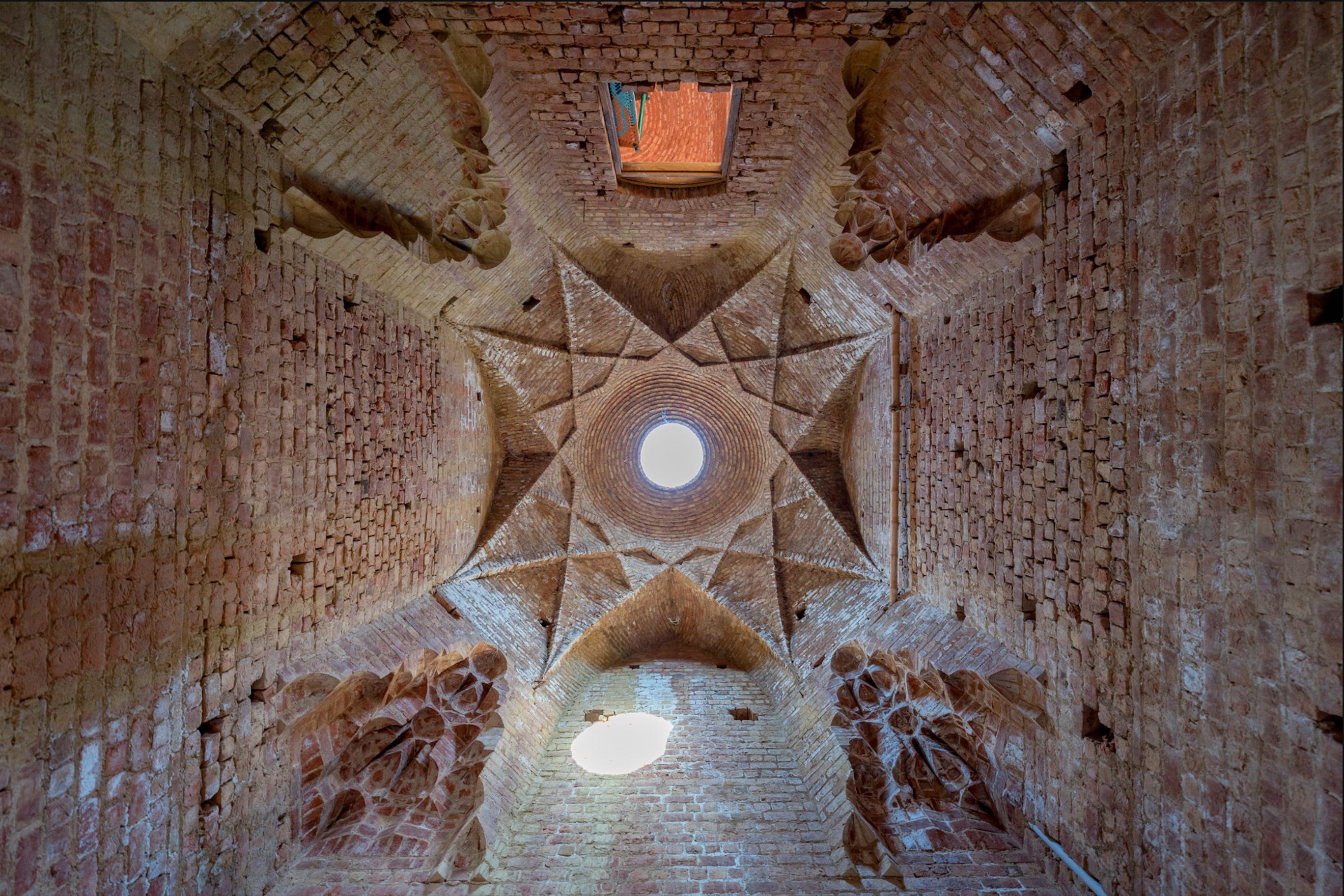
Some years ago, Samuel Hughes’s colleague Ben Southwood sent him a handful of grainy online pictures showing some recent buildings in Pakistan. He was struck by the assurance of the designs and the quality of the materials, craftsmanship, and detailing. These buildings were the work of Kamil Khan Mumtaz, a Pakistani architect widely admired in his home country but almost invisible abroad. Samuel wonders whether Mumtaz might be the world’s best architect. With Mumtaz’s support, Works in Progress presents a portfolio of his work, most of it never before seen outside Pakistan.
The new print magazine
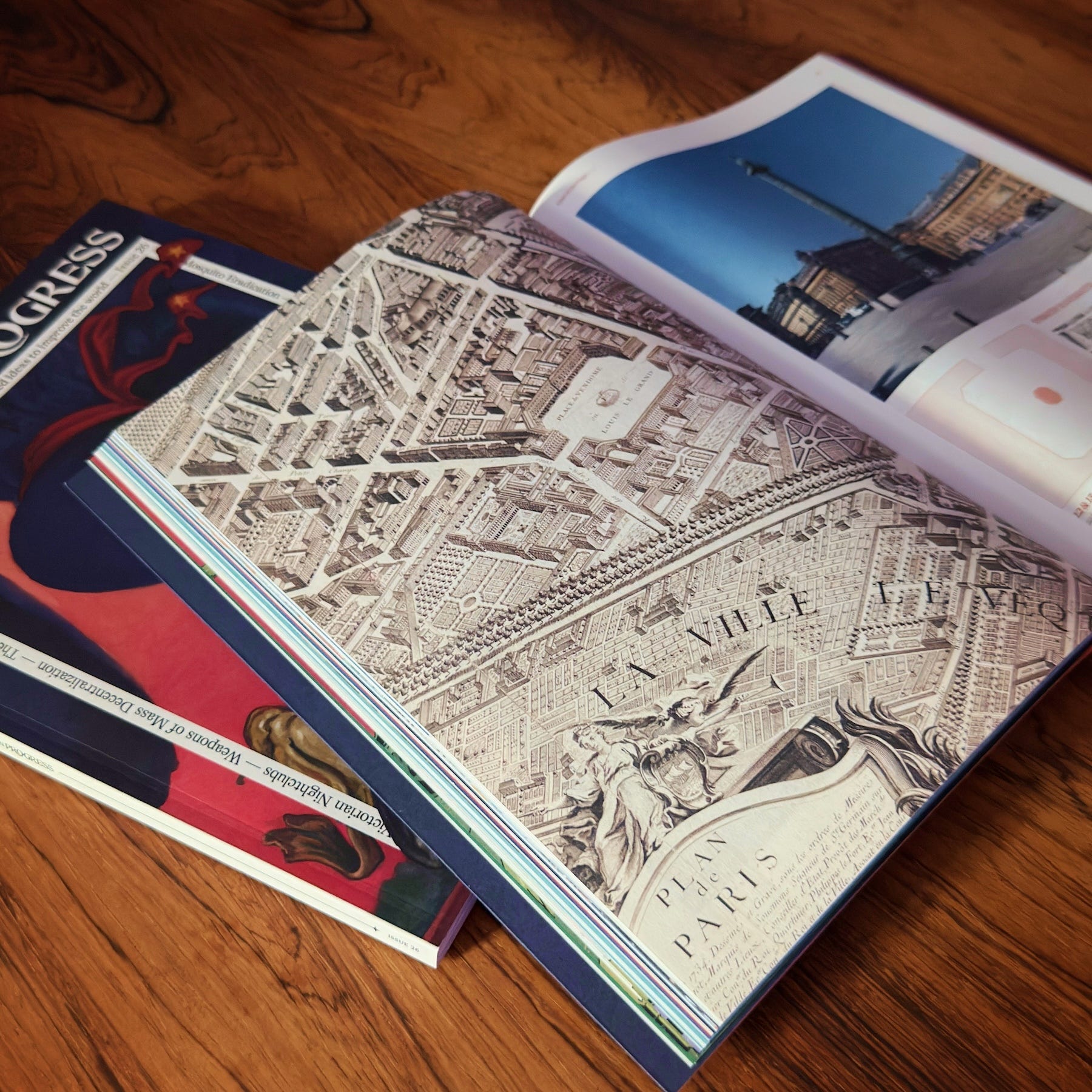
Issue 26 is our sixth print issue and marks the one-year anniversary of the print magazine. The new issue includes a few improvements based on what we’ve learned over the past year. It turns out people treat the magazine more like a book than something they carry around, so we’ve moved to more premium matte paper and a wider format. We’ve enlarged and changed some of the fonts to make it more readable. And we’ve introduced columns, which will hopefully help break up the features. Our print subscribers are like royalty to us, and we hope, if you aren’t one yet, you’ll join them soon.
What we’ve been up to
We’ve celebrated the launch of Issue 26 with drinks in Washington, DC, met lots of lovely readers at the Stripe Press London pop-up, and hosted subscribers for a talk by Aria Schrecker in San Francisco.


We also have a subscriber-only launch coming up in San Francisco this Sunday. Sign up to the print magazine to get the details!